

Anko Itosu was 48 when the kingdom ended. 1 He had learned karate from Matsumura, the way it had always been learned: one teacher, a few students. 1 Now the families who kept the art were losing their place, and karate might go with them. 1,11
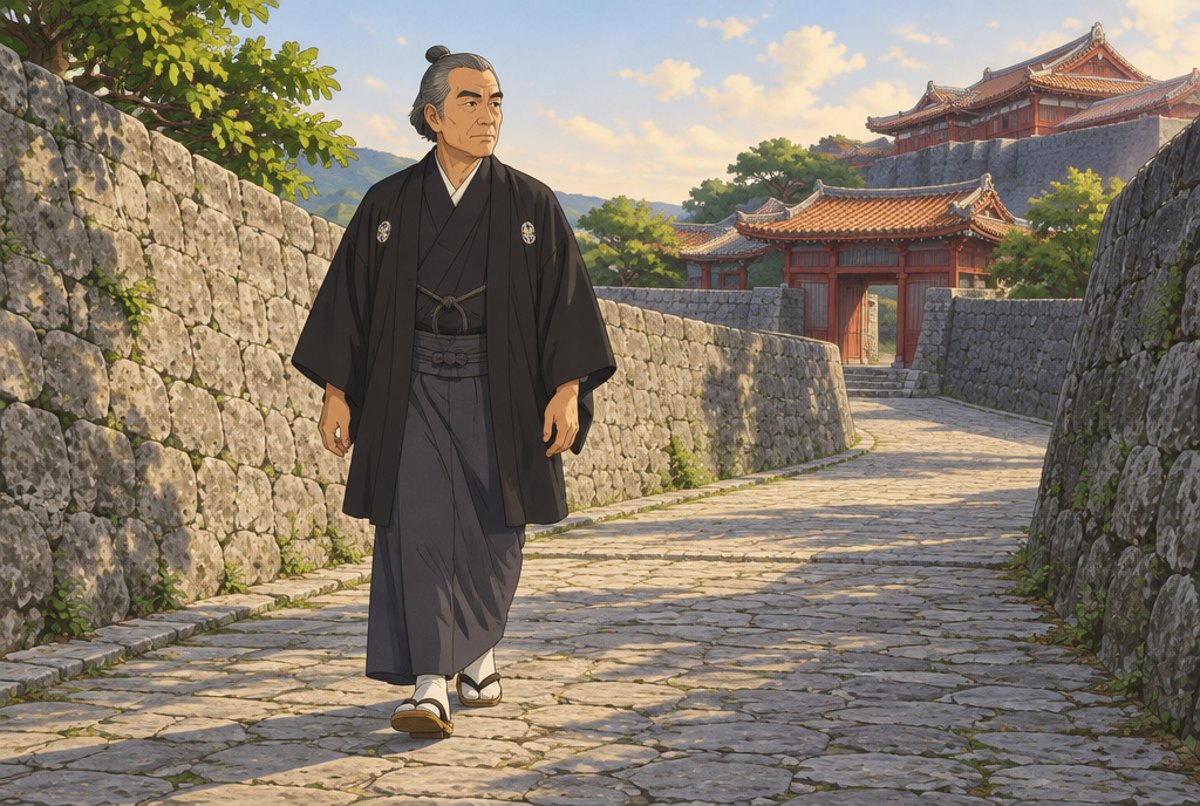
A new room
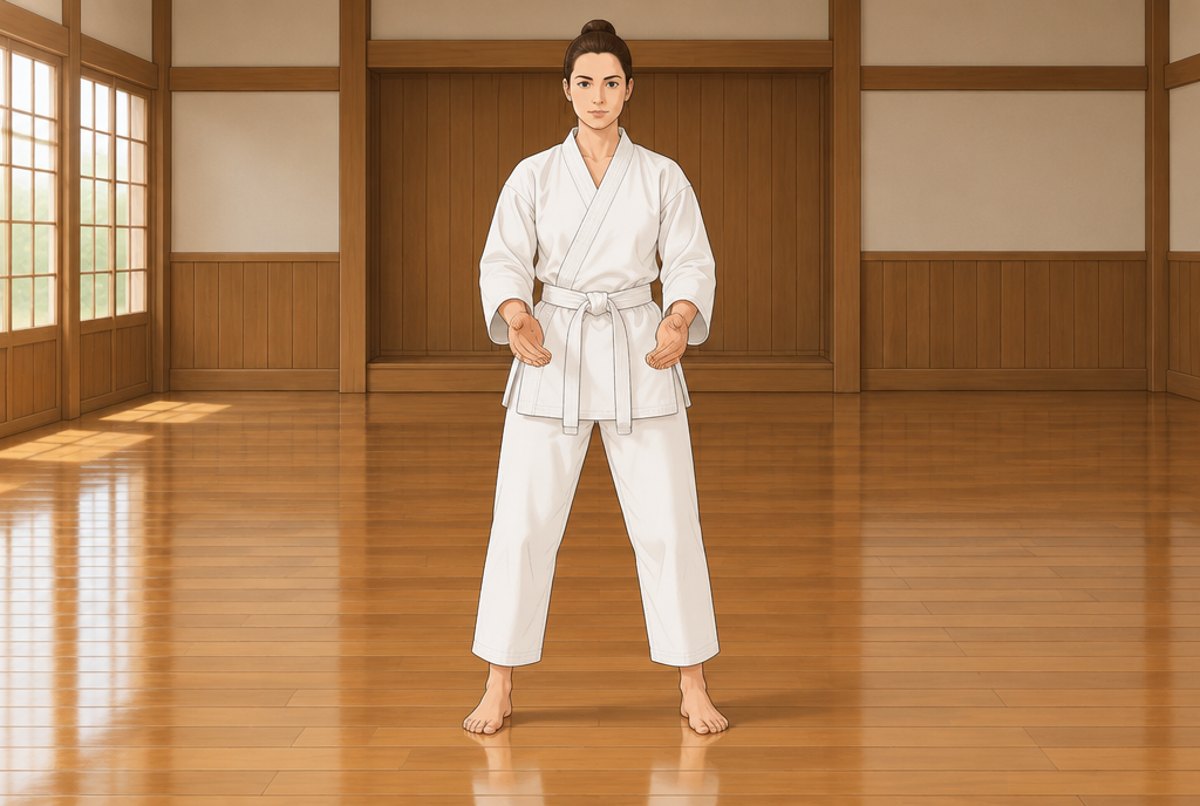
What saved karate? Schools! Karate began to be taught to pupils in Okinawan schools, and Itosu helped to make that happen. 1 Think about it. Before, a master chose a few students. Now, a whole class was learning in rows. 1
Five kata
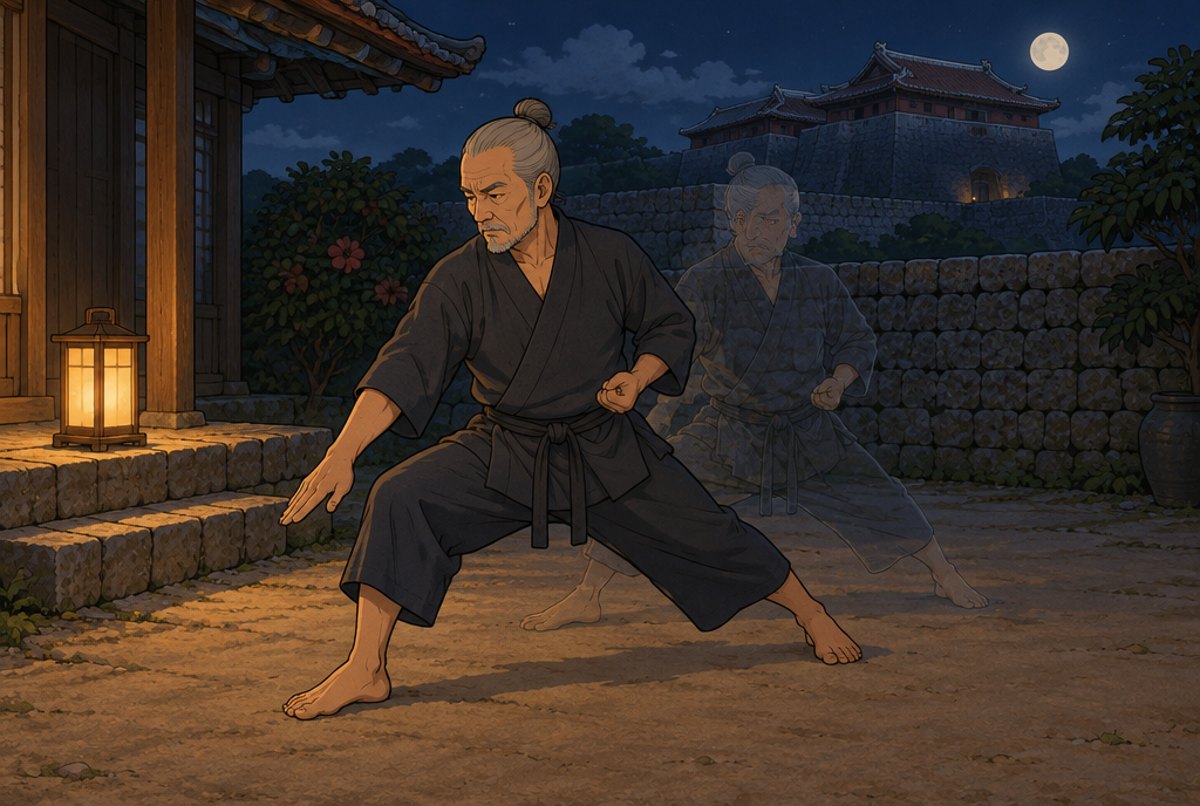
A class cannot learn the way one chosen student learns. So Itosu made five new kata, simpler ones for beginners and for children. 1 He called them , which means "peaceful and safe". 30 They are numbered one to five, and you learn them in order. 30 If your club does Pinan Shodan or Heian Nidan, you are doing Itosu's kata!
Other teachers copied his idea. In Tokyo, Funakoshi's son Yoshitaka made the Taikyoku kata, even simpler. 4,43 In Naha, around 1940, Chojun Miyagi made the Gekisai kata for schoolchildren. 6 Every one of them was asking Itosu's question: what is the simplest kata that still teaches the real thing?
Itosu's students
Itosu taught lots of the men who later started their own styles. 1 Two of them matter most here. Gichin Funakoshi was born in Shuri in 1868 and learned from Itosu and from Anko Asato. 3 Kenwa Mabuni was born in Shuri in 1889 and started with Itosu when he was 13. 7
Mabuni had a friend from Naha called Chojun Miyagi, the boy who trained with Higaonna. 7 Miyagi took his friend to meet his teacher, so Mabuni learned Naha karate as well as Shuri karate. 7 Later, when Mabuni named his own style, he put the first parts of his two teachers' names together, Itosu and Higaonna: Shito. 7,27
Two names for the same kata
When Funakoshi took karate to Tokyo, he gave many kata new Japanese names, and Pinan became . 5,13,30 It means the same thing. 30 Different styles even teach the five in a different order. 30 So if a friend at another club does them differently, that is normal. And the word on the end of style names just means "school".
Itosu died in 1915. 1 Nobody wrote down what he said. His five kata are his message, and every beginner who learns them is reading it.
In 1922 one of his students, Funakoshi, set off for Tokyo. 1,3 That is the next chapter.