

The southern legends have no dates a historian can check. The southern masters of the 19th century do.
Chan Heung and his three teachers
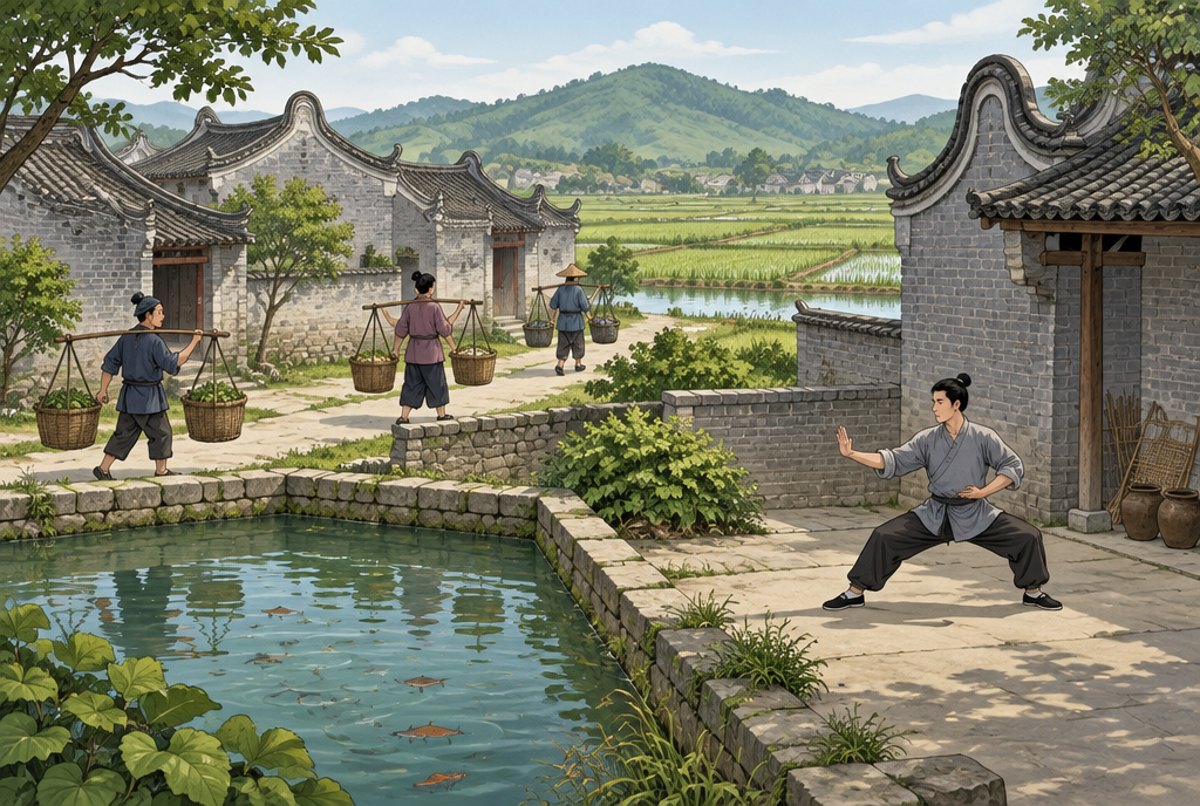
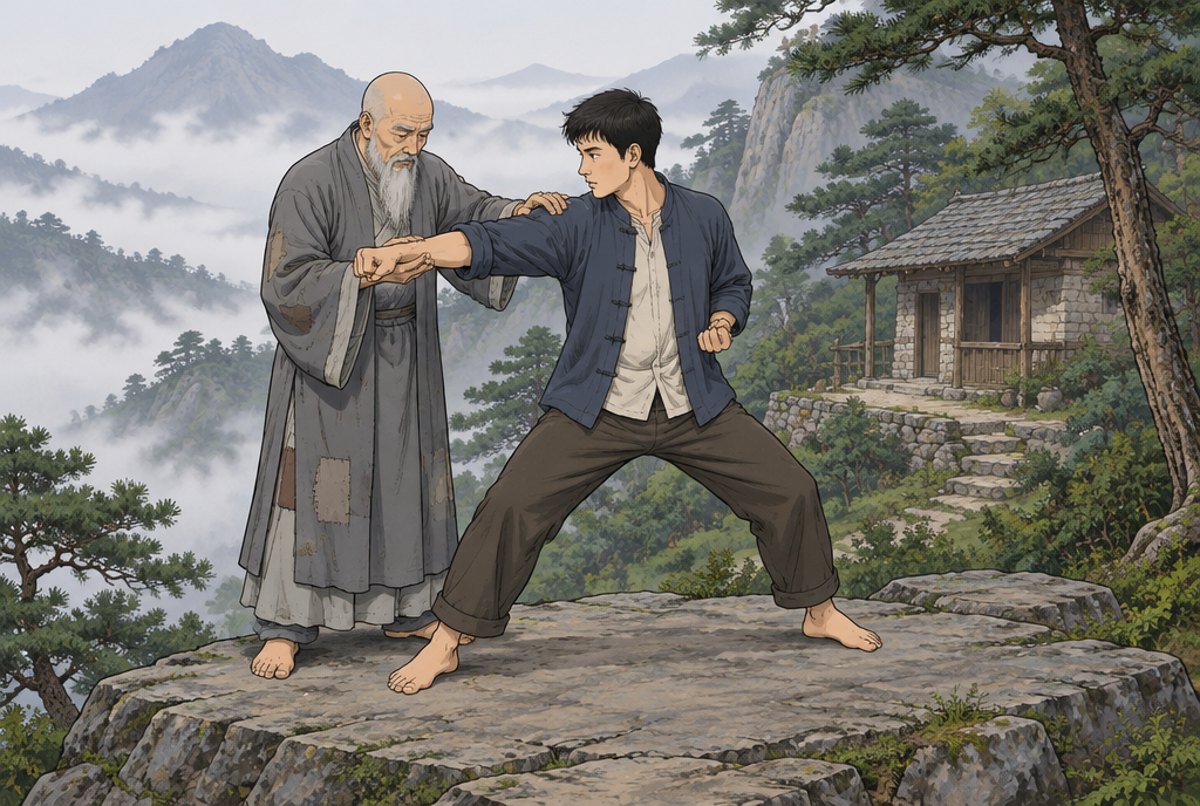
Chan Heung was born in 1806 in King Mui village, Guangdong. 9 From the age of 7 he learned Fut Gar, a Buddhist style, from his uncle Chan Yuen-wu; then Li Gar from Li Yau-san; and then, after much persuasion, the Choy Gar style of Choy Fook, a reclusive monk on Mount Luofu, who taught him for nine years. 9
In 1836 Chan Heung founded his own style and named it after his teachers' styles, Choy Gar, Li Gar and Fut Gar: . 9 It is a southern style, but its long, swinging, circular arm techniques and agile footwork are often likened to northern styles. The body is held at an angle to the opponent, and power comes from , the upper body twisting to drive the arms. Practitioners used set shouts for palm, claw, fist, beak and kick. 9 It counts 10 hand techniques applied in eight ways, among them yin and yang, hard and soft, and "over 150" forms. 9
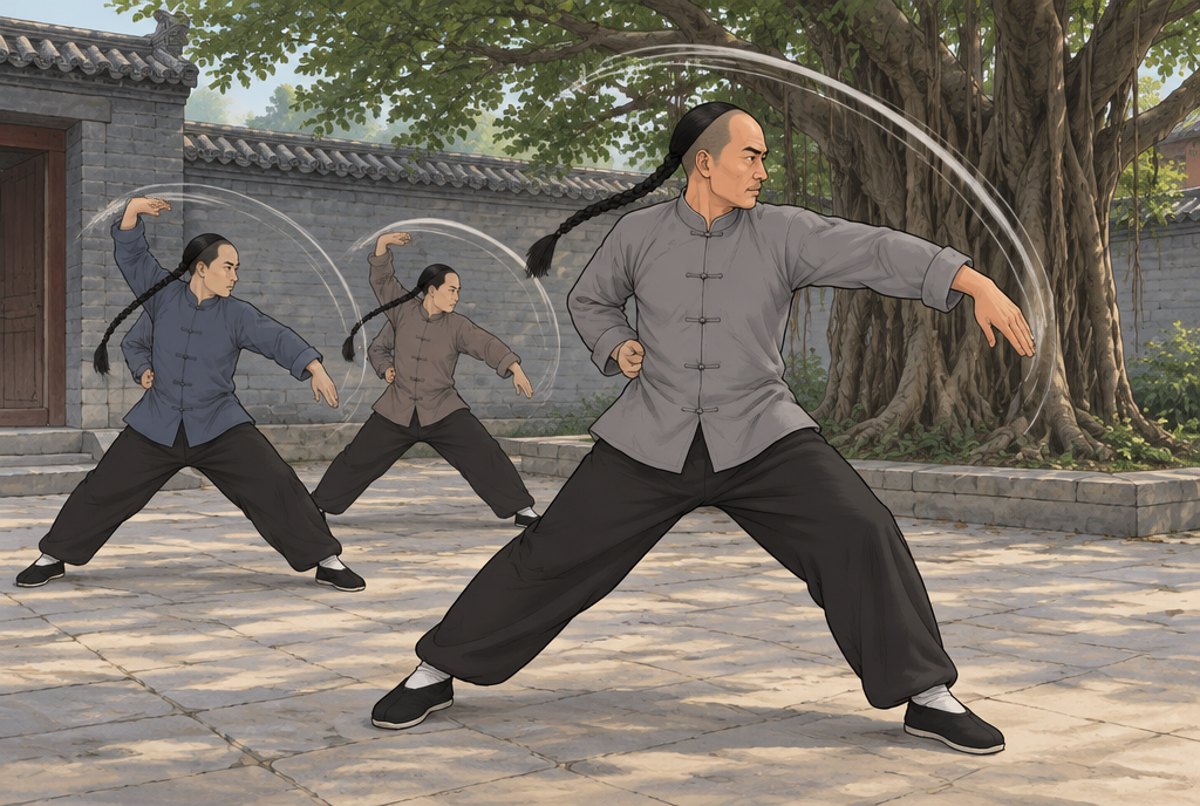
The is credited to Chan Heung. 9 In 1848, it is said, he sent out 18 disciples, and most schools today trace to them through four main branches: King Mui, the Chan family line; Fut San, or Hung Sing; Jiangmen, or Kong Chow; and Buk Sing. Chan Sun-chiu, keeper of the King Mui line, died on 22 April 2013. 9
Wong Fei-hung: physician and martial artist
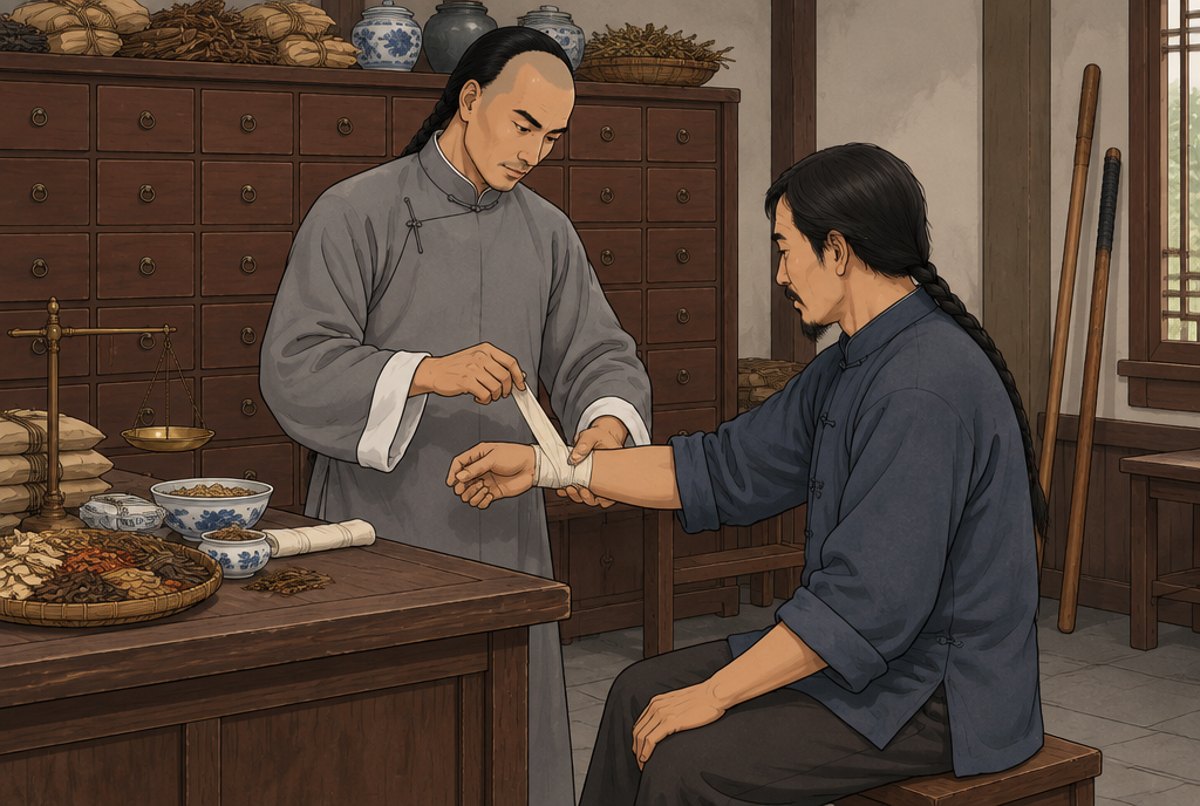
Wong Fei-hung, who lived from 1847 to 1925, was a martial artist and physician in Guangzhou, and in his own day his wider fame came from his medicine. 8 He learned from his father, one of the Ten Tigers of Canton. 8
The art he taught, , is known for low, strong stances, above all the horse, powerful hand techniques, the or bridge hand, and the . 8 Students traditionally spent months, even three years, on stance training before forms; most schools now spend less. 8
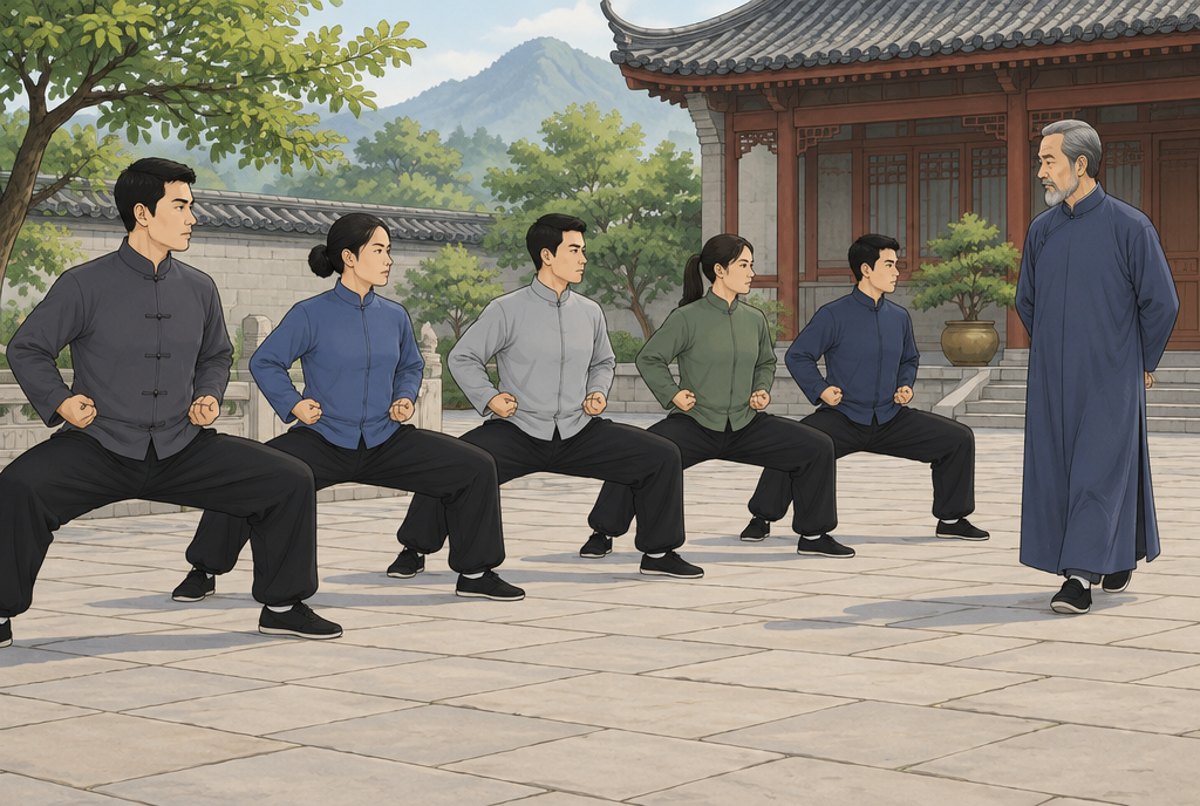
He shaped the four core forms of his lineage. 8
- , Taming the Tiger: a long form of basic technique that builds stamina.
- , Tiger and Crane: built on Taming the Tiger; the version handed down in his lineages is credited to Wong Fei-hung.
- Five Animals: dragon, snake, tiger, leopard and crane.
- , Iron Wire: breathing with dynamic tension, traditionally sometimes with iron rings on the wrists.
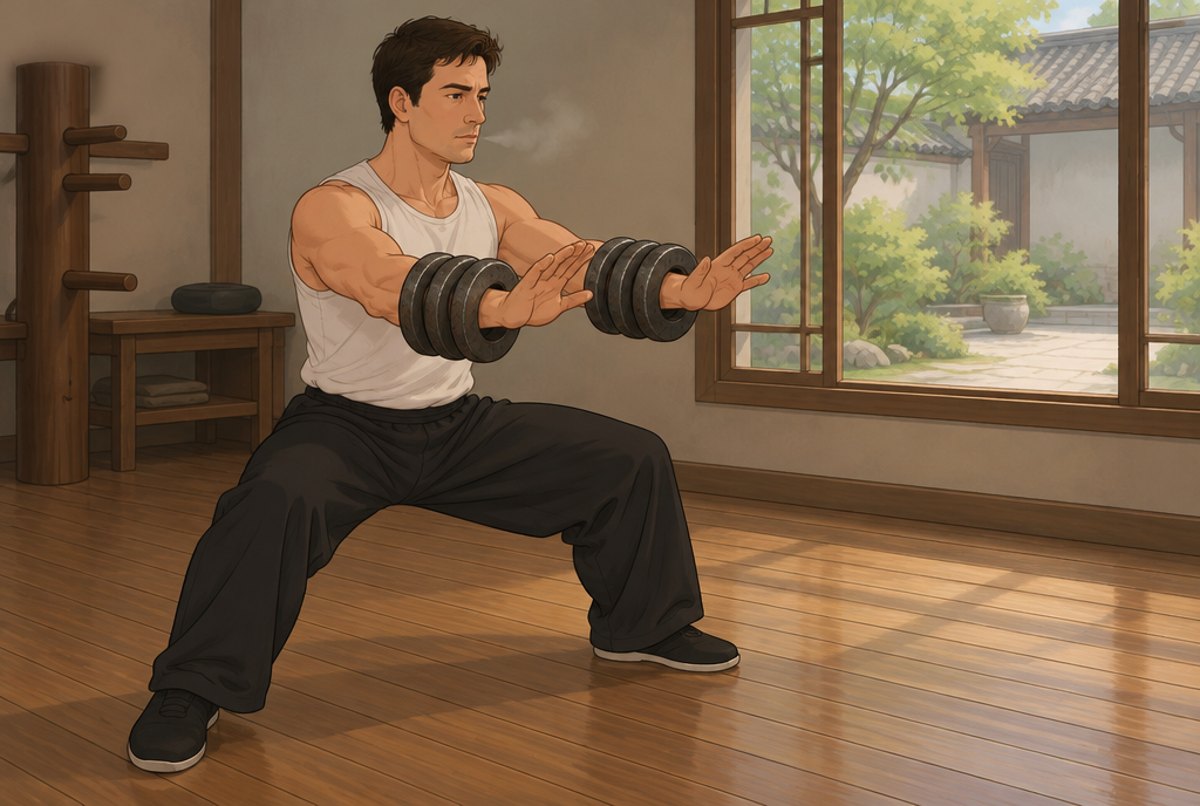
Four main family branches come down from Wong Fei-hung: Tang Fung, also written Dang Fong, Lam, Chiu and Lau. 8 In the Lam branch, Lam Sai-wing printed a Taming the Tiger manual in 1923, with a second version dated 1936; his Iron Wire manual was completed in 1951, eight years after his death. Hing Chao, writing in 2013, calls Taming the Tiger, Tiger and Crane and Iron Wire the "three treasures" of the Lam family line. 123 Wong Fei-hung's wife, Mok Kwai-lan, is linked to another southern style, Mok Gar. 19
The folk hero
Wong Fei-hung's fame today rests largely on his place as a Cantonese folk hero: he is the subject of a record number of films, among them Jackie Chan's Drunken Master of 1978, a fictional story. 8,16 The films are fiction; the forms are real, and the Tiger and Crane form is still taught in Liverpool, as chapter six shows. 112
Southern styles, then, tend to share low, stable stances, fewer kicks, powerful short arm techniques and shouts. 1,40 The north is different, and so are its masters.