

In 1947 Gunji Koizumi and Mikinosuke Kawaishi organised the first recorded international judo match between two countries, Britain against France. It was later called the Kawaishi Cup. 8,17
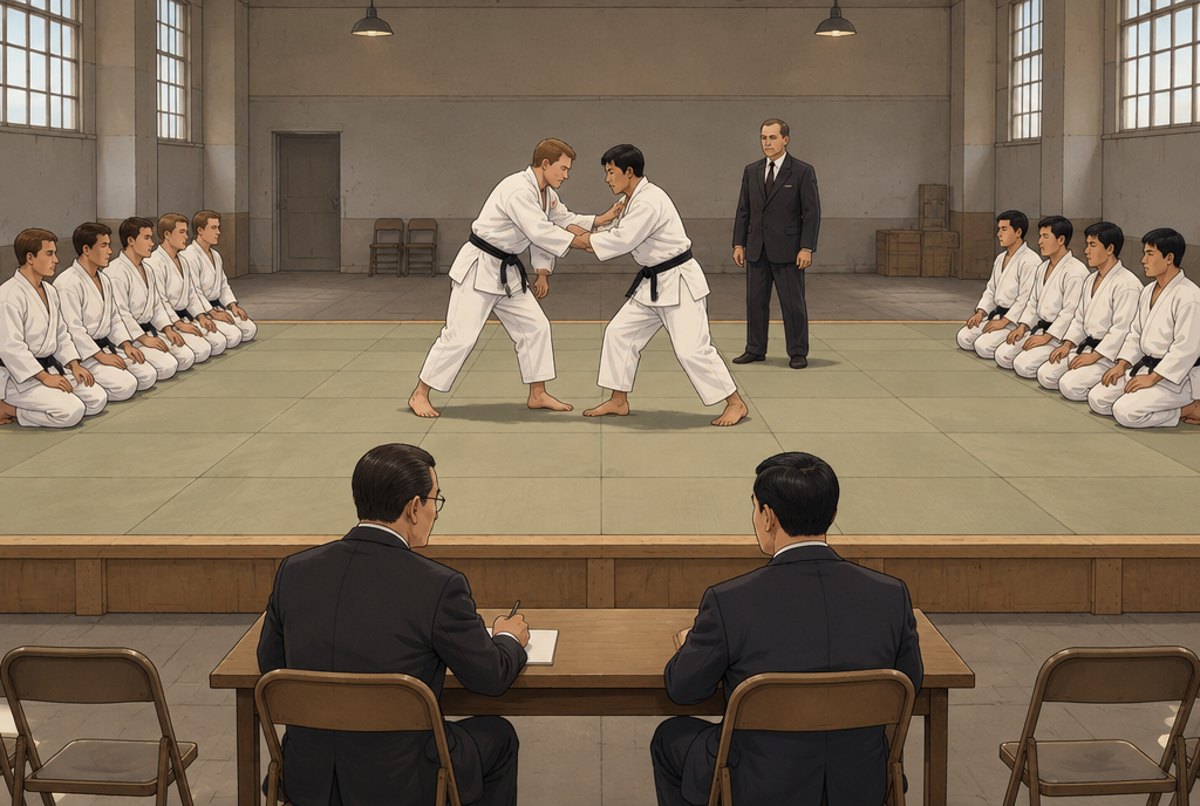
Three meetings in July 1948
In July 1948 the Budokwai called judo's organisers to London. 7,13,100 On 24 July, at a meeting at the Imperial College Union, the British Judo Association, the BJA, known today as British Judo, was founded. 7,13 On 26 and 28 July a second set of meetings founded the European Judo Union, with Britain, Austria, the Netherlands and Italy voting and France attending without a vote. 7,34,100 The IJF dates a European union to Germany in 1932; British accounts date today's European Judo Union, the EJU, to these London meetings. 7,34,64,100

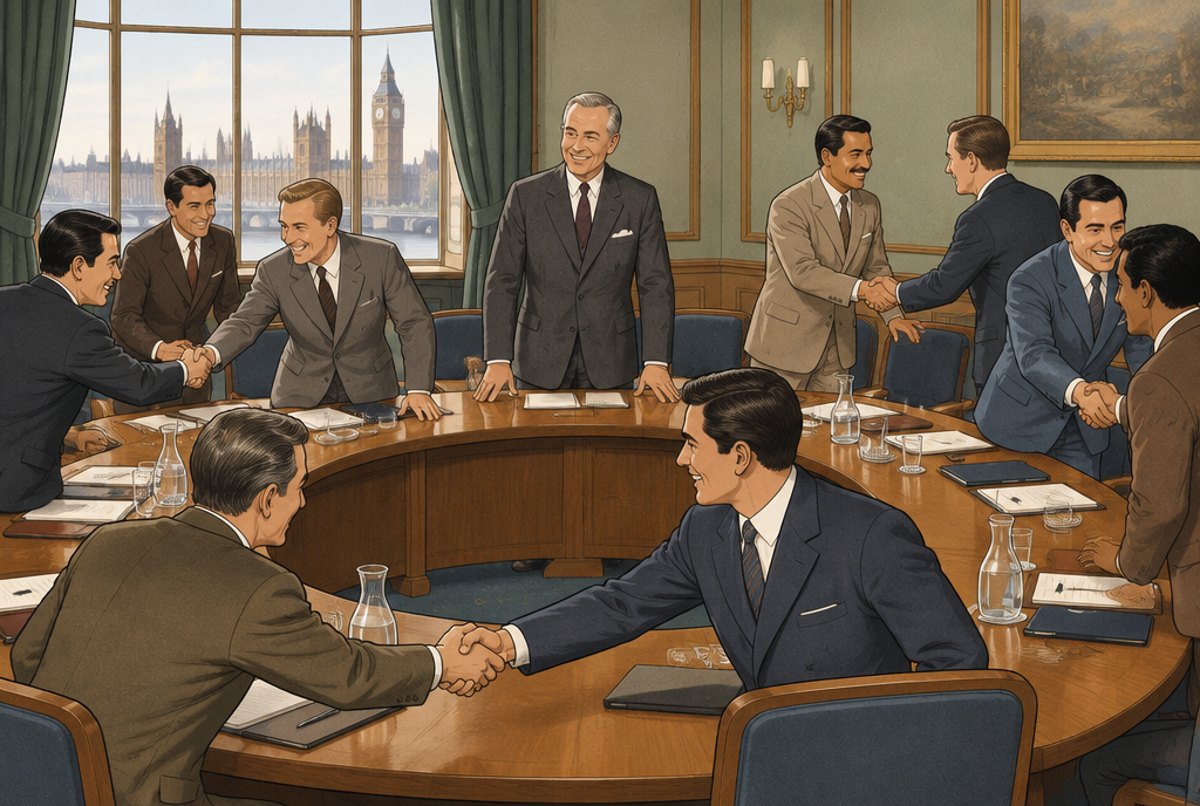
London, 11 July 1951
Three years later London hosted the founding of the International Judo Federation, on 11 July 1951, when the European members accepted Argentina. The Italian Aldo Torti was its first president. 33,64 The IJF now has over 200 national federations in five continental unions, writes the contest rules for all its events, including the Olympic Games, and runs the World Championships and the World Judo Tour. 33,60,64 The European union founded in London in 1948 now has 51 member federations. 34
The first World Championships followed, in Tokyo in 1956, without weight categories. 35,64
Charles Palmer
One Briton led judo at home and abroad at the same time. Charles Palmer was chairman of the BJA from 1961 to 1985 and president of the IJF from 1965 to 1979. 20 British Judo credits his campaigning with judo's return to the Olympic Games in 1972. 100
The Budokwai moves
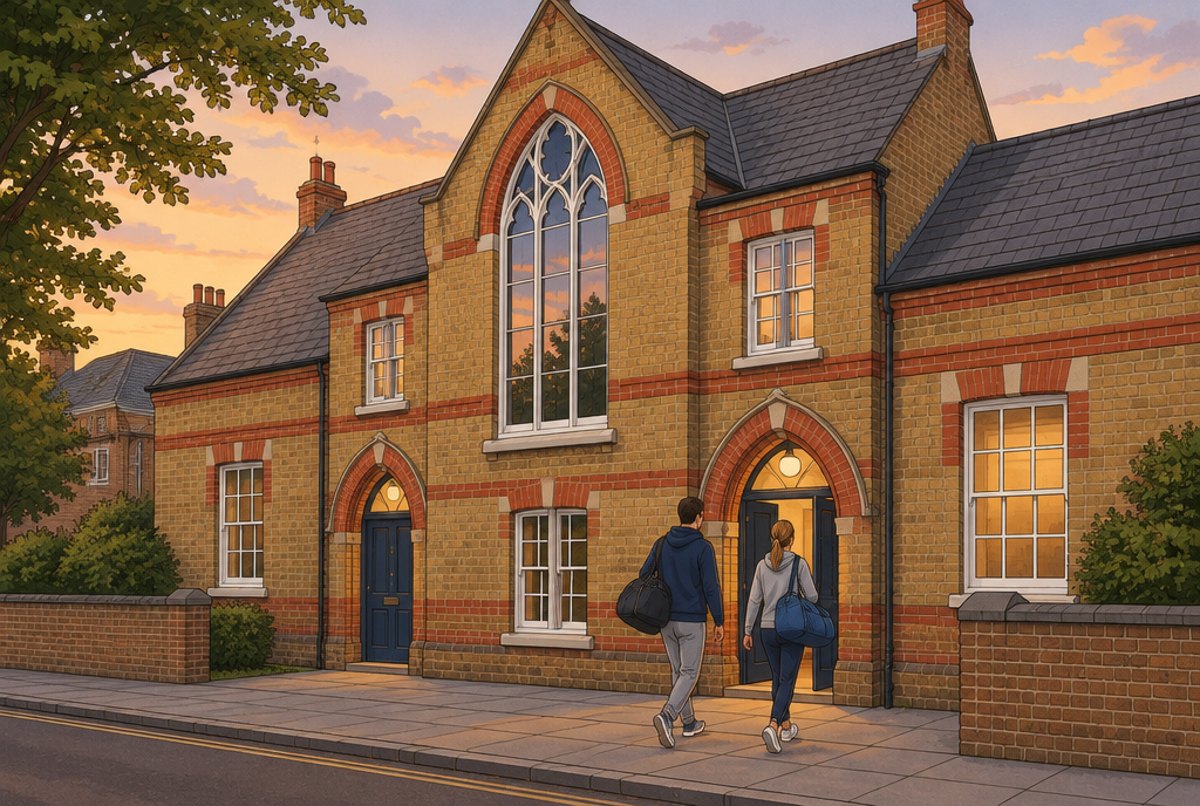
In 1954 the Budokwai moved to Gilston Road in South Kensington. 7
Otani and Abbe: another family
Not every British judoka joined the BJA. Masutaro Otani, Tani's leading student, had a large following, and in 1954 his students formed the Masutaro Otani Society of Judo, based at the Jubilee Judo Club in Harlesden. 14,15
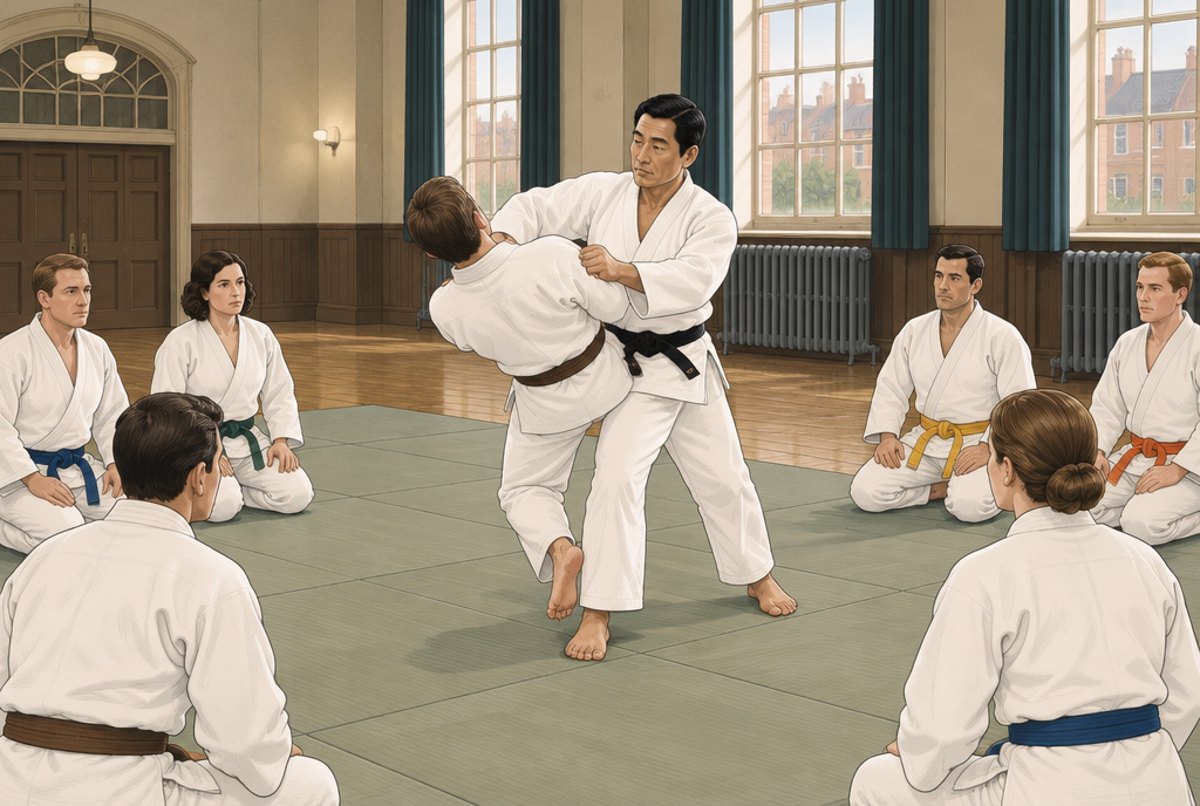
In 1955 Kenshiro Abbe, a Japanese teacher of judo, aikido and kendo, came to London on a two year contract with the London Judo Society. He left it and went into partnership with Otani. 14,16 The British Judo Council says Abbe founded it in 1958, with Otani as its judo master. When Abbe returned to Japan in 1969 he made Otani president, and the Otani society was merged in, by one account in 1970. 14,121 Abbe's philosophy, Kyushindo, is still taught in the council's junior grades. 16,123
Otani's son Robin led the BJC from 1977 to December 2025, and Robin's son Stuart then took over. 121 The council describes its judo as "pure, clean" judo built on Kano's principle of maximum efficiency, and it keeps a strong emphasis on kata and etiquette. 14,121,123 Its head office is in Stalham, Norfolk, and it has its own squad, Team BJC. 121
The Amateur Judo Association
A third body dates itself to the same years. The Amateur Judo Association says it has existed since 1955, founded by Harry Ewen and Pat Butler. 130 By its own account, under Butler, general secretary from 1956 to 1972, it grew from three clubs and 150 members to 741 clubs and 40,000 members. 130 Today it runs clubs in four regions: East Midlands, Midland, North West and South East. 160
Coming together
The independent bodies kept their own grades but drew closer to the BJA. Under its agreement, BJC members need no BJA licence for BJA events, except where the IJF or EJU require one, and the BJC in turn recognises the BJA as the governing body for judo in the United Kingdom. 121 The BJC's published agreement says its affiliation began on 1 September 1994 and that it keeps full technical autonomy, including the right to award its own grades; another account says the BJC and the AJA affiliated "in the late 1990s". 13,121
British Judo today
British Judo is the governing body recognised for judo by Sport England, and JudoScotland, the Welsh Judo Association and the Northern Ireland Judo Federation sit under it. 160 Its head office is at the University of Wolverhampton's Walsall campus, and it belongs to the IJF, the EJU and the British Olympic Association. 13,160 In October 2026 British Judo gave its size as 890 clubs and 38,823 members. 160
The story of how all those clubs reached the Olympic mat is the last chapter.