

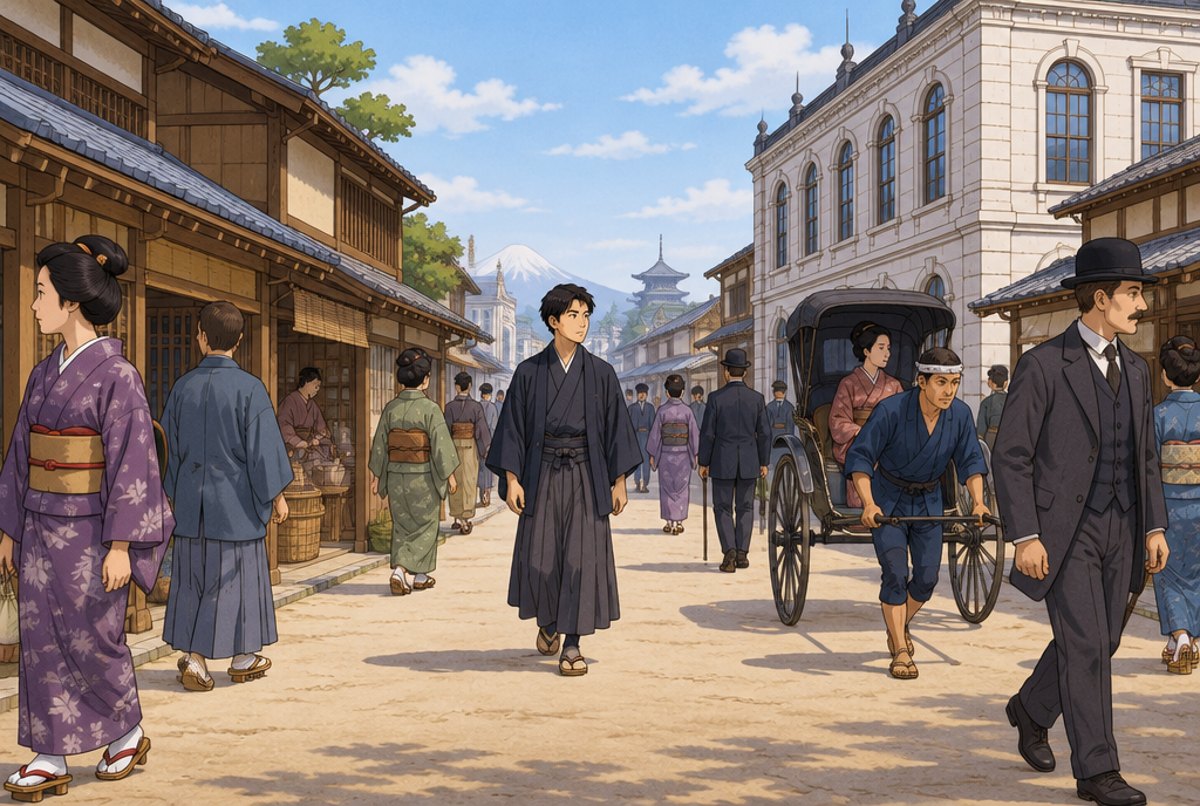
Imagine Tokyo in the 1870s. The city is changing fast. Japan is busy taking up new ideas from Europe and America, and many old ways are being left behind. 1,2
For hundreds of years Japan had schools of fighting without weapons. Together they were called , and each school was a . 1,2 Now hardly anyone wanted them. Many teachers gave up. Some turned to bone setting, treating injuries, to earn a living. 1,2
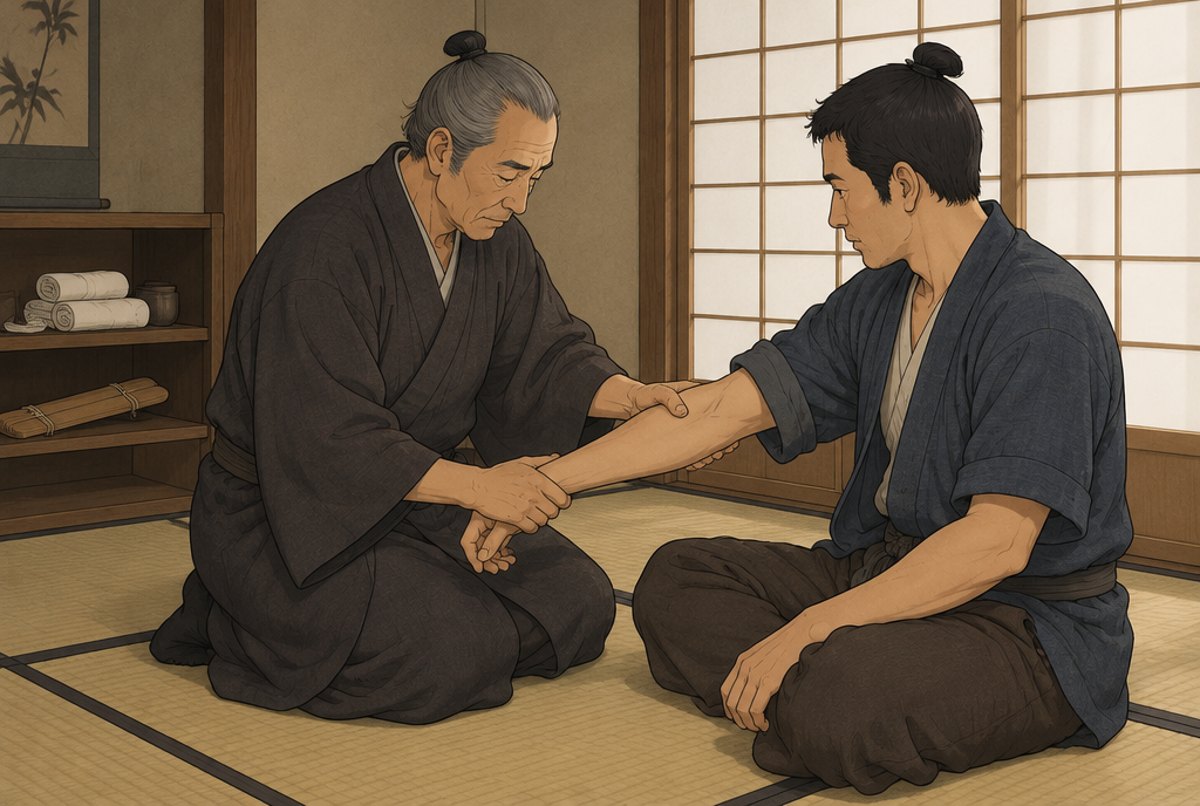
A young man called Jigoro Kano wanted to learn jujutsu anyway. He had been born in 1860. 2 He set out to find a teacher who was still teaching.
Free practice or set forms?
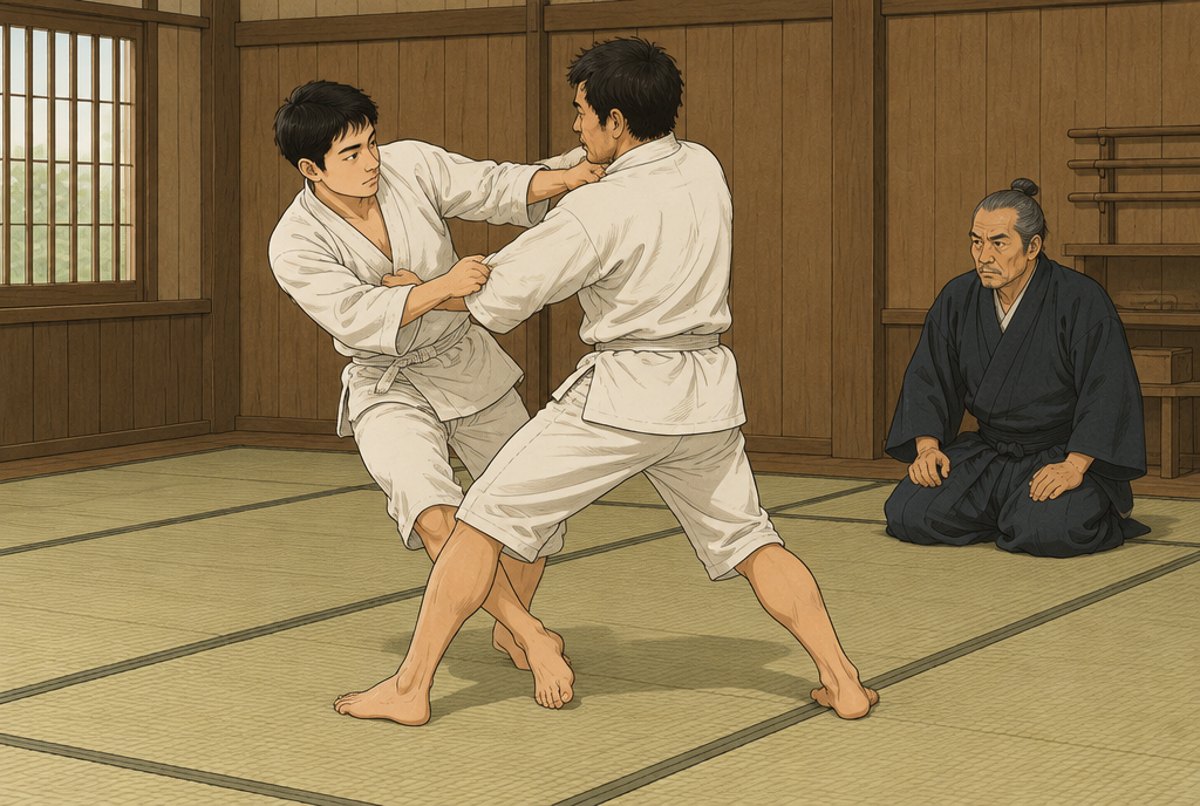
Kano found a school called Tenjin Shin'yo-ryu. His first teacher there was Hachinosuke Fukuda. 1,2,5 Fukuda liked best. Randori is free practice, where two people try their techniques on each other. 1,2,5
Fukuda died in 1879. Kano carried on with another teacher from the same school, Masatomo Iso. 1,2,5 Iso was an expert in . 1,2,5 In judo a kata is a set form, done by two partners, always in the same order. 96 Then Iso died too, in 1881. 1,2,5
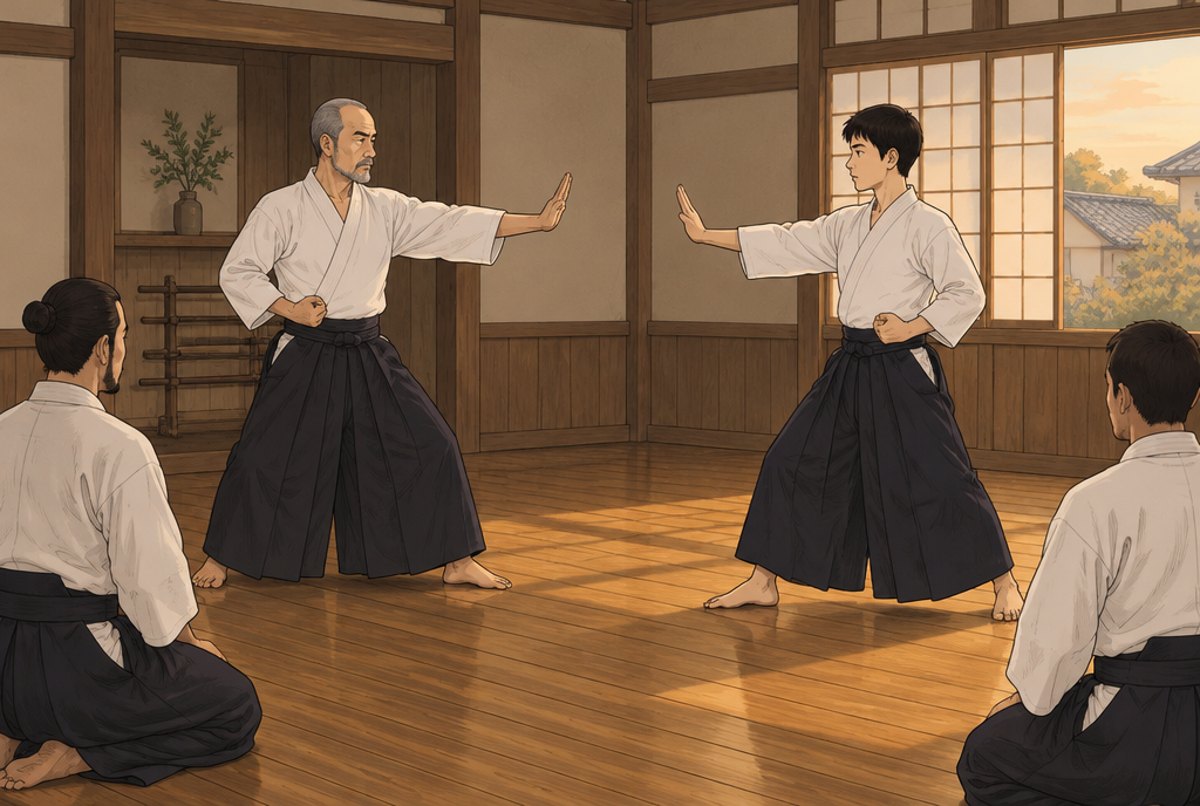
Iso also taught striking at weak points of the body. 1,2,5 In judo today, strikes only appear inside a few kata. You will never strike anyone in randori or in a contest. 1
Two teachers, two ways to learn. One loved free practice. The other loved set forms. Keep that in mind, because Kano kept both. 1
The throwing teacher
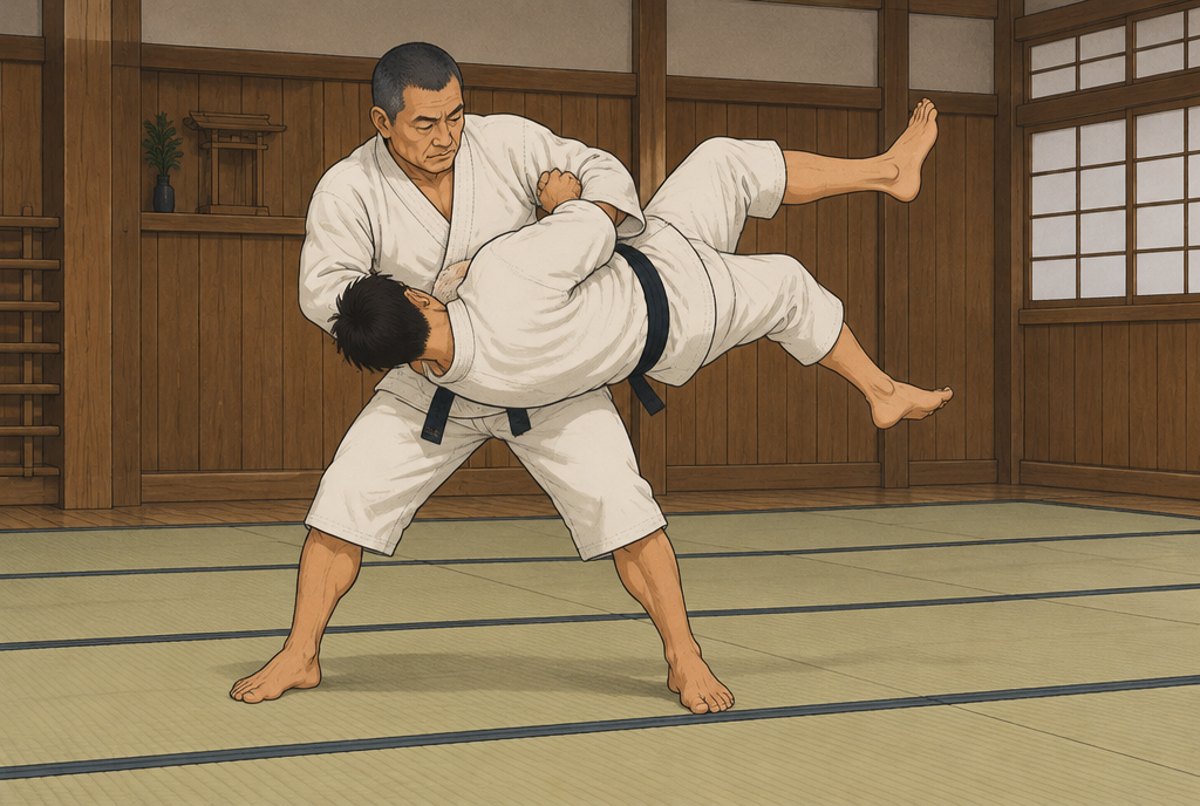
Kano did not give up. Next he trained with Tsunetoshi Iikubo, who taught a different school, Kito-ryu. 1,2,6 Kito-ryu was strong in throwing. 1,2 Iikubo gave Kano a teaching certificate dated October 1883. 2,6,173
What Kano kept
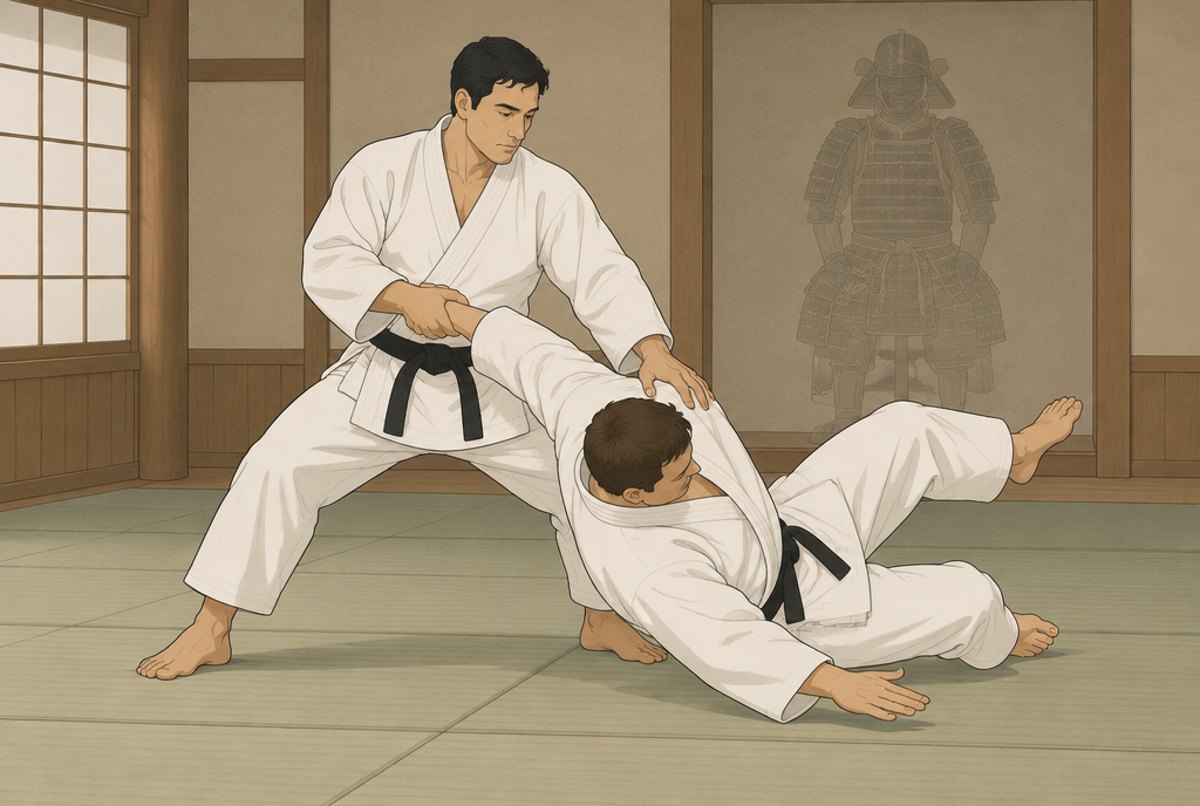
So what did Kano take from all three teachers? The Kodokan, the school he went on to start, says he mastered both schools and added ideas of his own. 66 Put simply, the throwing came from Kito-ryu, and the holds and strangles came from Tenjin Shin'yo-ryu. 2 The old jujutsu idea was "defeating strength through flexibility". Kano turned it into something bigger: use your body and your mind in the most efficient way you can. 66
One old Kito-ryu form is still practised today. It is called Koshiki-no-kata, and it is done as if both partners were wearing armour, like warriors long ago. 26,68 Kano kept it almost unchanged, so that judo would never forget where it came from. 68 British Judo calls kata like this "a sort of living judo museum". 96
When was Kano born? On 28 October 1860 by the old Japanese calendar, which is 10 December 1860 in the calendar we use today. That is why World Judo Day, which marks his birth every year, is on 28 October. 1,2,174
By 1882 Kano was in his early twenties, and he had learned from three masters. Now he was ready to start a school of his own. 1,2