

Picture a meeting room in Seoul in the spring of 1955. Around the table sit politicians, army officers, business leaders, historians and the instructors of the kwans. 64 General Choi Hong Hi has called them together to settle one question: what should this Korean art be called? 64
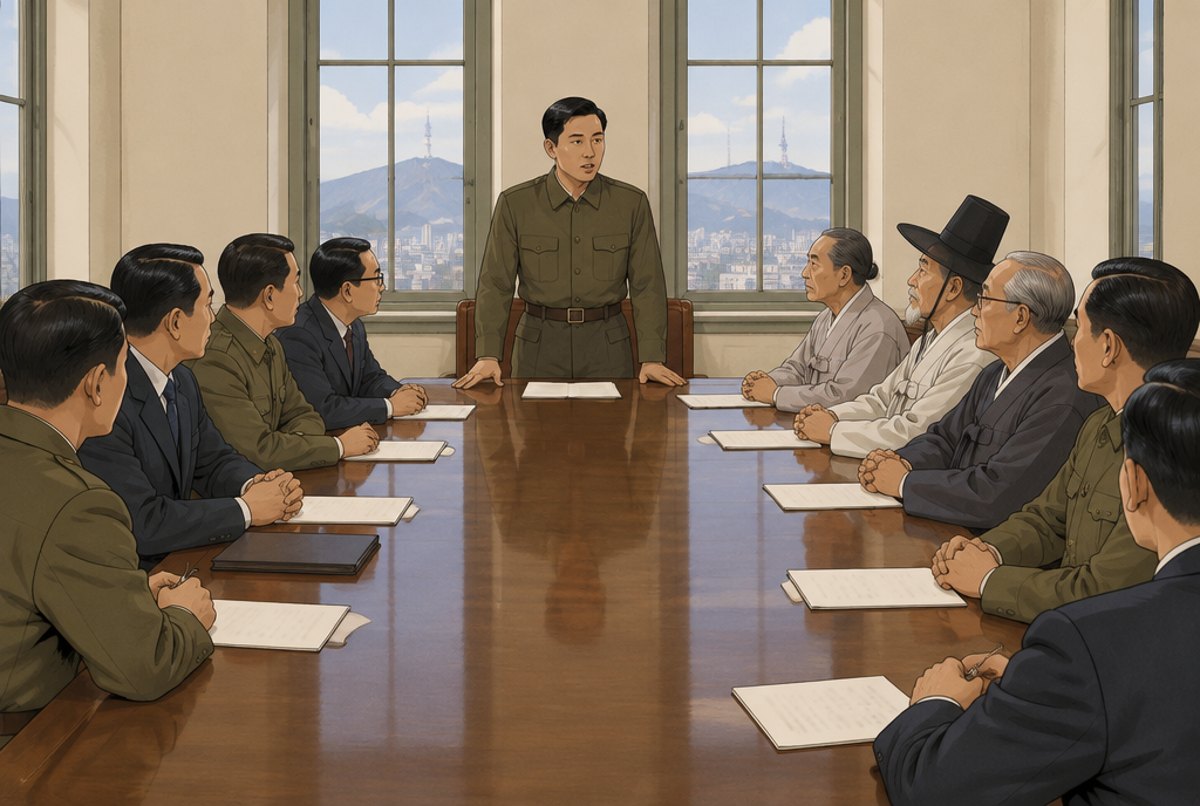
11 April 1955
The ITF, the federation General Choi later founded, dates taekwondo's "official birth" to that day, 11 April 1955, when the board approved the name Taekwon-Do. 64 President Syngman Rhee wrote the new name in calligraphy. 64 General Choi's own account gives the same date. 2,101
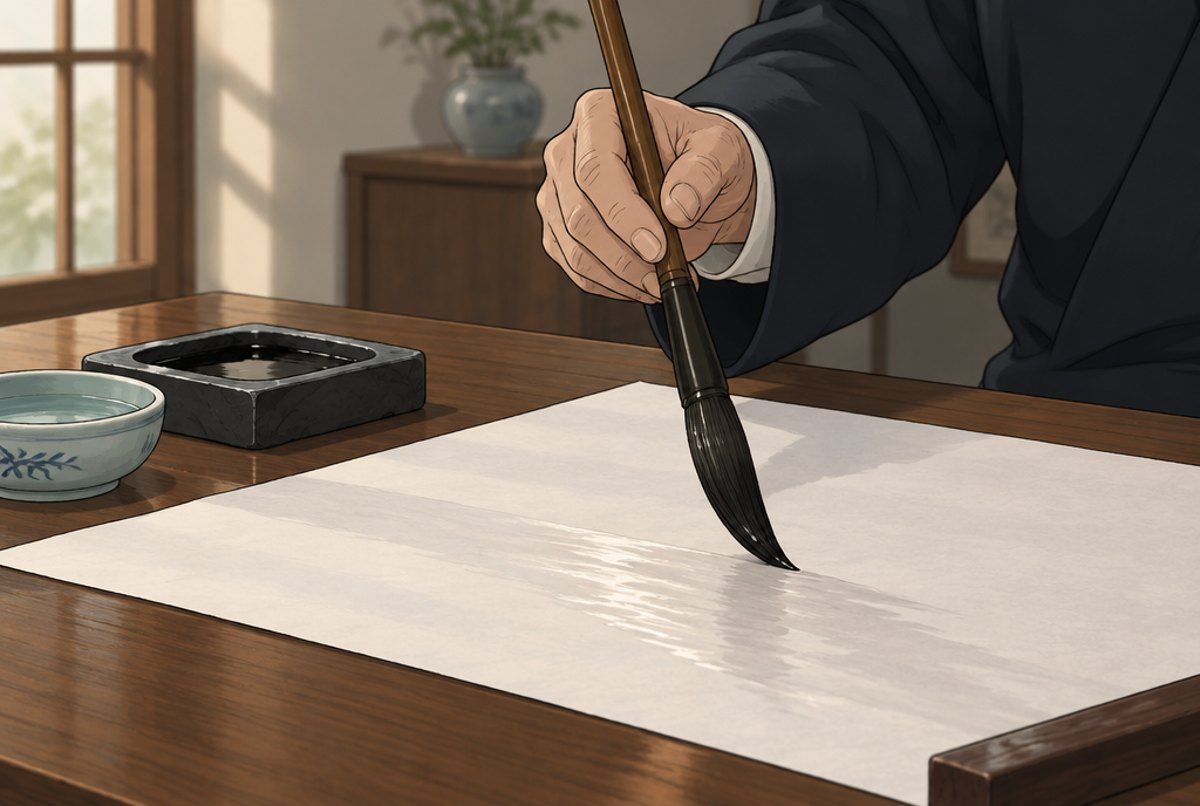
The name did not win everyone over at once. Other names were still in use, including Tang Soo Do, Kong Soo Do and Tae Soo Do, and the new one was slow to catch on among the kwan leaders. 1 The Kukkiwon's own history says only that the name appeared after the Korean War. 52
One art, one association
When the kwans formed a national association, it was first called the Korea Tae Soo Do Association, and later the Korea Taekwondo Association, the KTA. 1,6 When it began is told more than one way.
The general's style
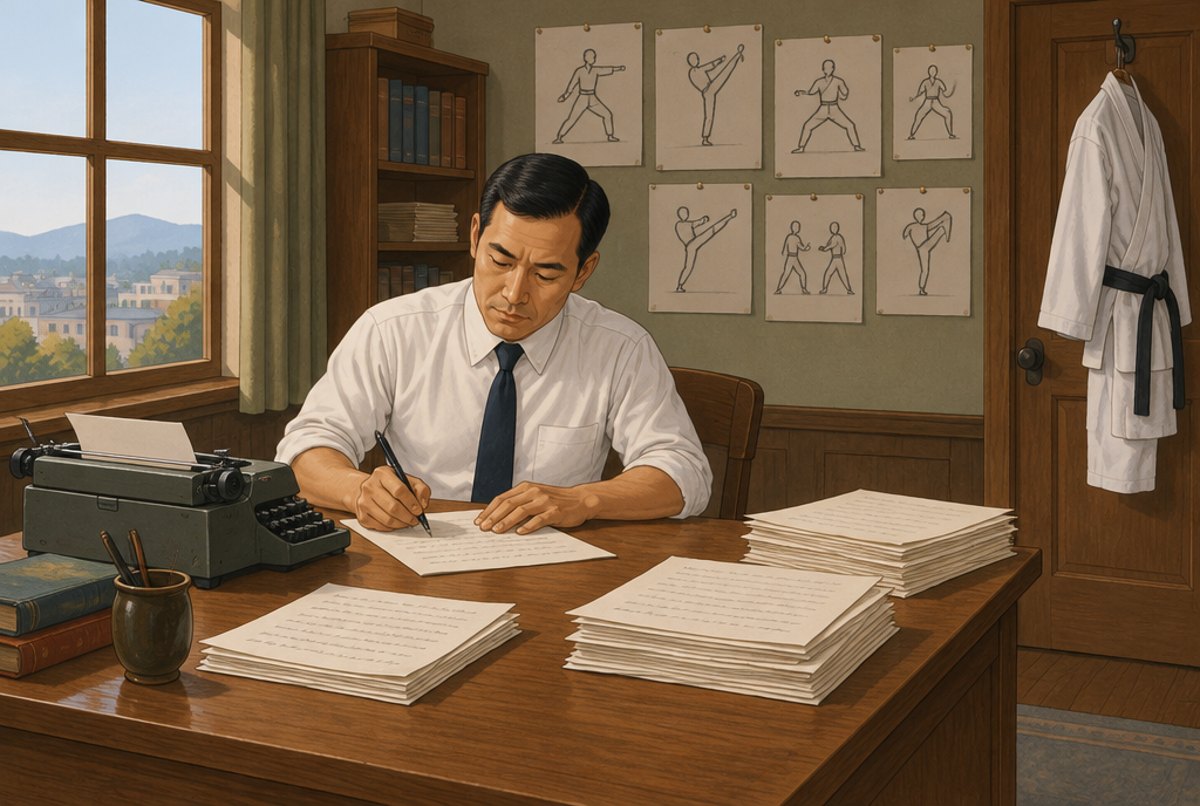
General Choi developed his own style, called , and in 1965 he wrote the first English language book on taekwondo. 1,2 His first patterns, including Hwa-Rang and Choong-Moo, are said to date from 1955 to 1959; most were made between 1961 and 1964. 13 Hwa-Rang carries a trace of where it was made: its 29 movements stand for the 29th Infantry Division, which General Choi's own book, the Encyclopedia of Taekwon-Do, describes as the place where Taekwon-Do developed. 62
Five tenets
If you have been to an ITF style class you may have heard five words recited together: courtesy, integrity, perseverance, self control and indomitable spirit. These are the five tenets, and they come from General Choi. 1,46 In Korean they are , , , and . 1,46
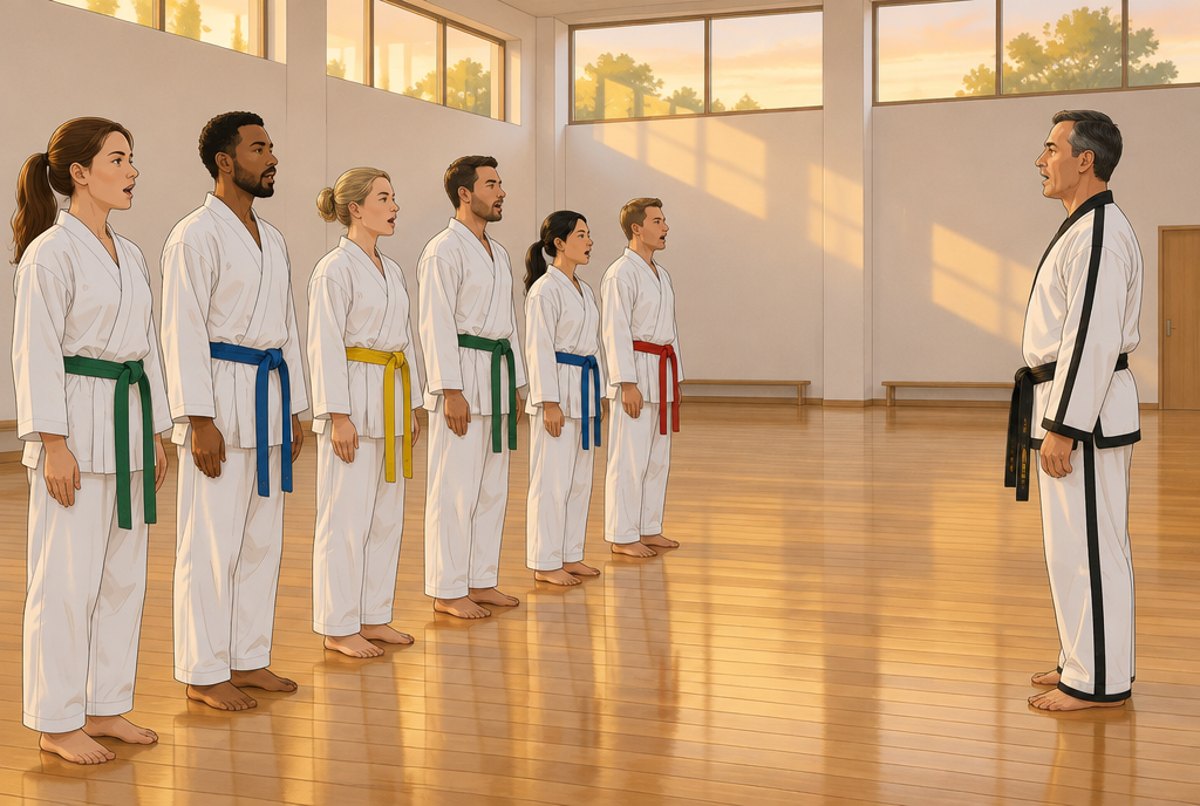
The tenets have travelled further than the man. British Taekwondo, the governing body for the Olympic style, lists the same five, and so does World Taekwondo. 46,80
General Choi also wrote a student oath: to observe the tenets, respect the instructor and seniors, never misuse taekwondo, be a champion of freedom and justice, and build a more peaceful world. 1 Clubs recite their own wording.
By 1965 the art had a name, a book and a code. The next year it would have a federation, and within a few years its founder would be living abroad.