

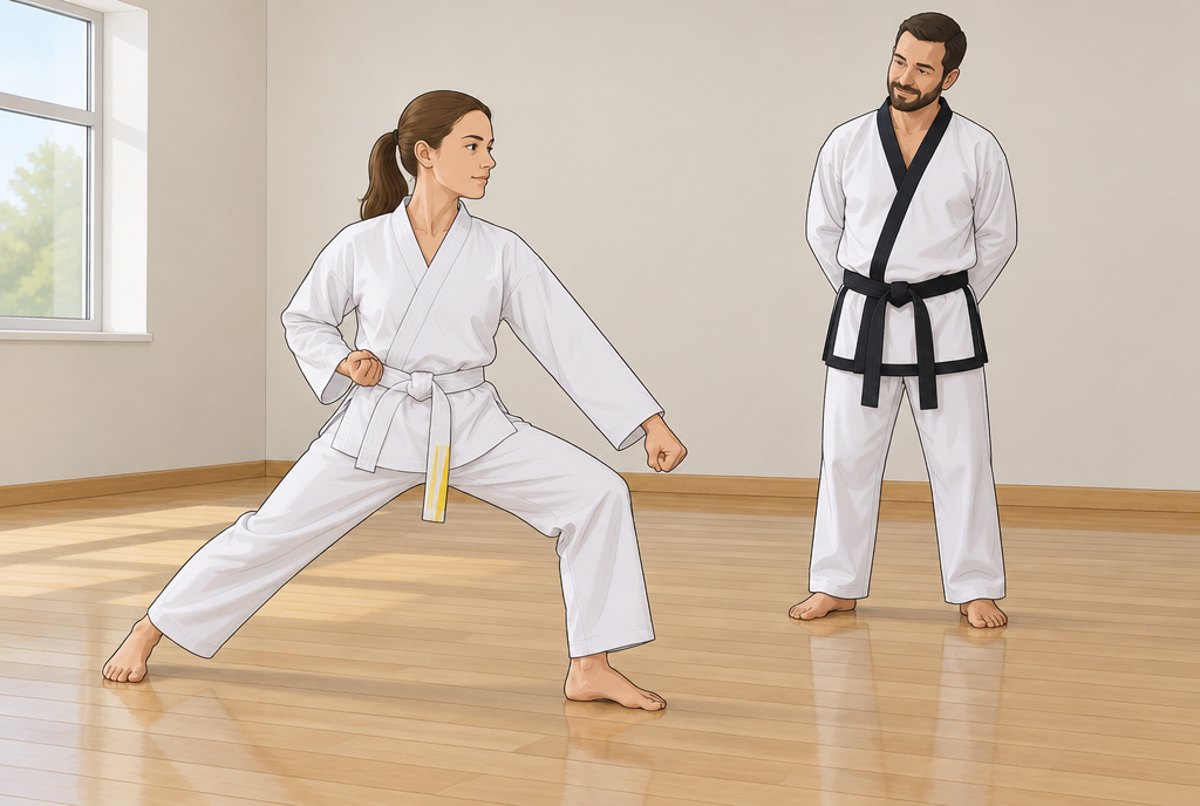
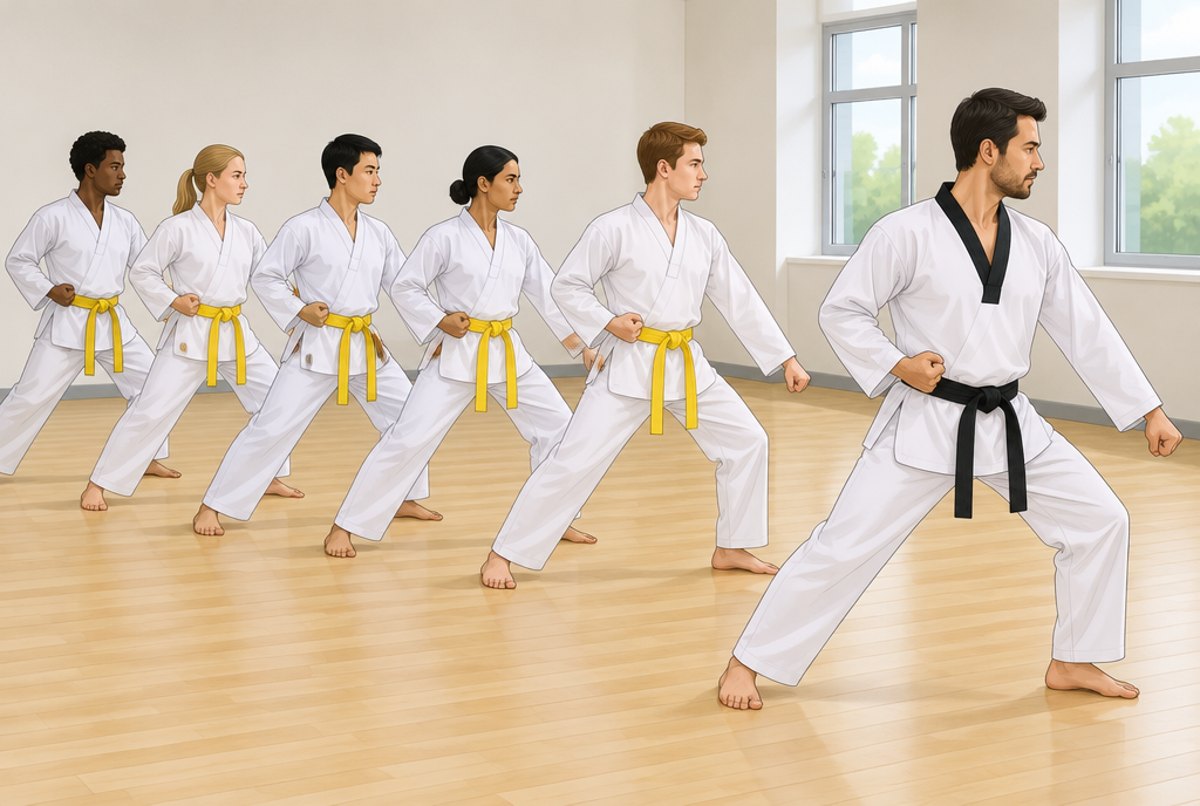
A pattern is a set of blocks, strikes, kicks and stances done in a fixed order, as if fighting imaginary opponents. 1,87 ITF clubs call patterns . WT and Kukkiwon clubs call them . 1 The two sets are completely different, so if you move from one kind of club to the other, you start your patterns again. 1,54,62
Names with people inside
General Choi gave every ITF pattern a name from Korean history. 62 The first one is Chon-Ji, which means "heaven and earth". It has 19 movements. 13,62
The second is Dan-Gun, with 21 movements. 13,62
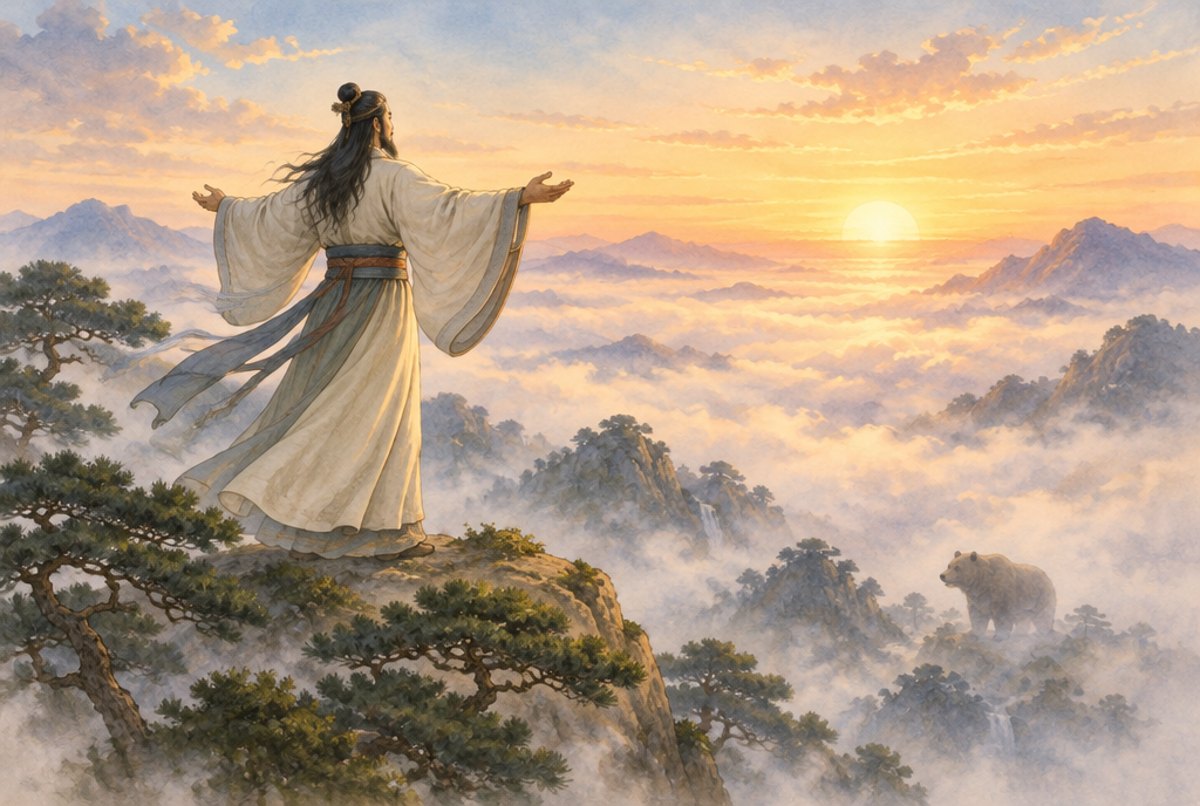
Lots of the patterns hide a number. 62
- Do-San has 24 movements, which stand for the whole life the patriot Ahn Chang-Ho gave to education and independence.
- Yul-Gok has 38 movements, because the scholar Yi I was born near the 38th parallel, a line on the map.
- Joong-Gun has 32 movements, because the patriot Ahn Joong-Gun was 32 when he was executed in 1910, counting age the Korean way. Counted the way we do, he was 30. 62,163
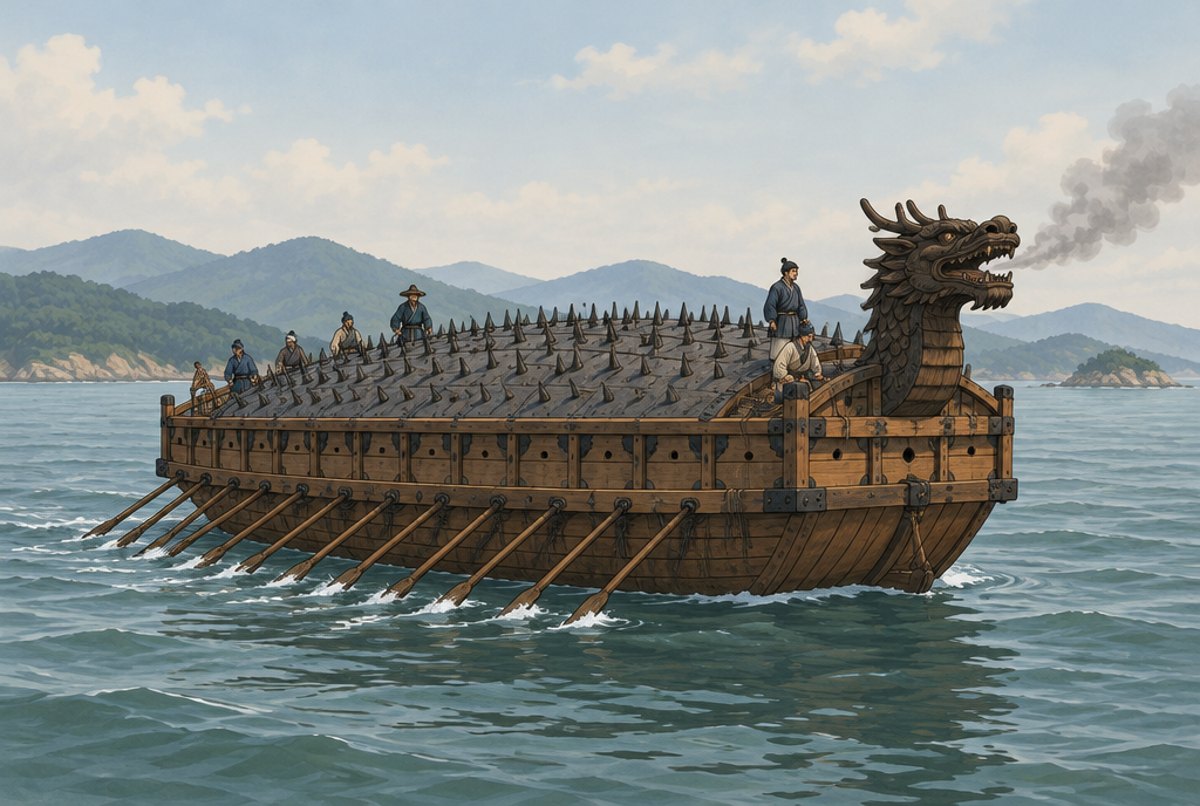
- Choong-Moo has 30 movements and is named after Admiral Yi Sun-Sin, who is credited with the armoured "turtle ship" of 1592. The pattern ends with a left hand attack, for what General Choi called his regrettable death. 13,62
The last pattern, Tong-Il, stands for the reunification of Korea. 13
How to do a pattern well
General Choi listed nine points. Some of them: start and finish on the same spot, keep good posture, tense and relax your muscles at the right moments, know what each move is for, and use both sides of your body equally. 62
The Kukkiwon's patterns
The other family tells a different story. Coloured belts learn eight poomsae, Taegeuk 1 to 8. 80 British Taekwondo says each one is linked to one of the eight trigrams, the little groups of lines. Four of them are on the South Korean flag. 12,54,87 Taegeuk 1 stands for heaven and light. Taegeuk 8 stands for the earth, and it has jumping attacks. 54
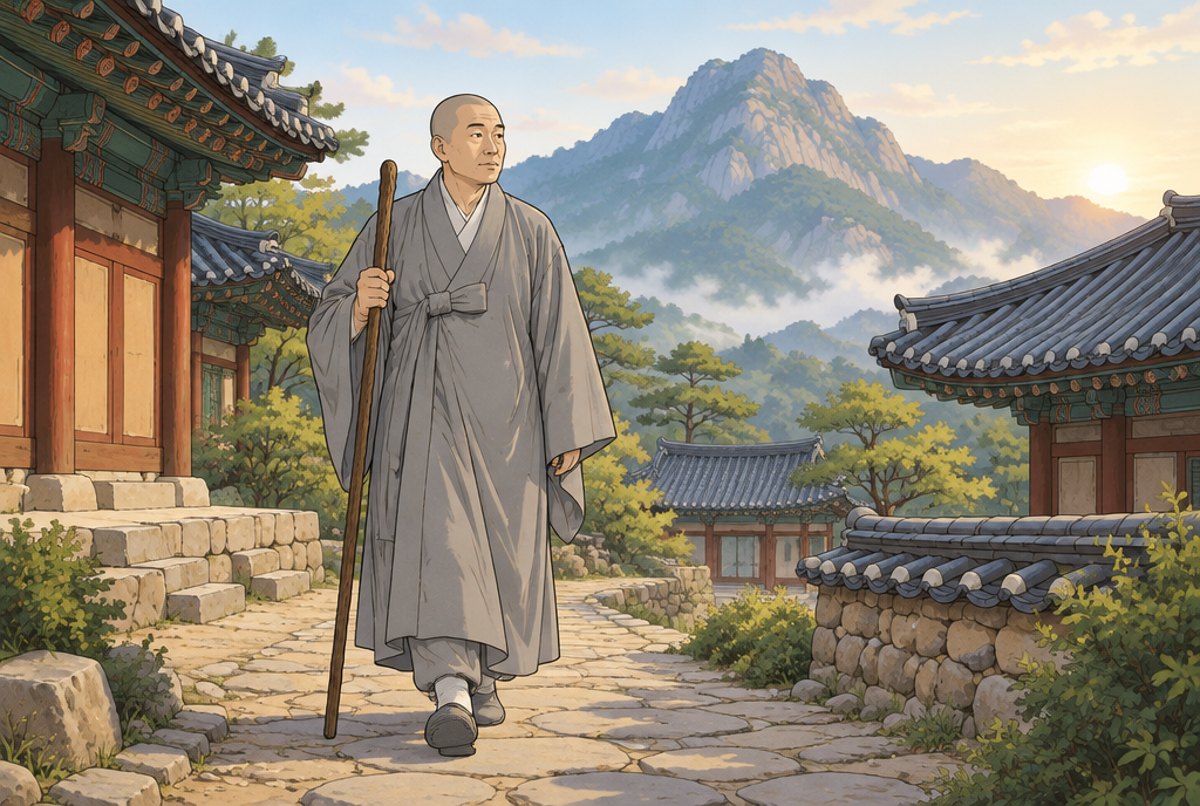
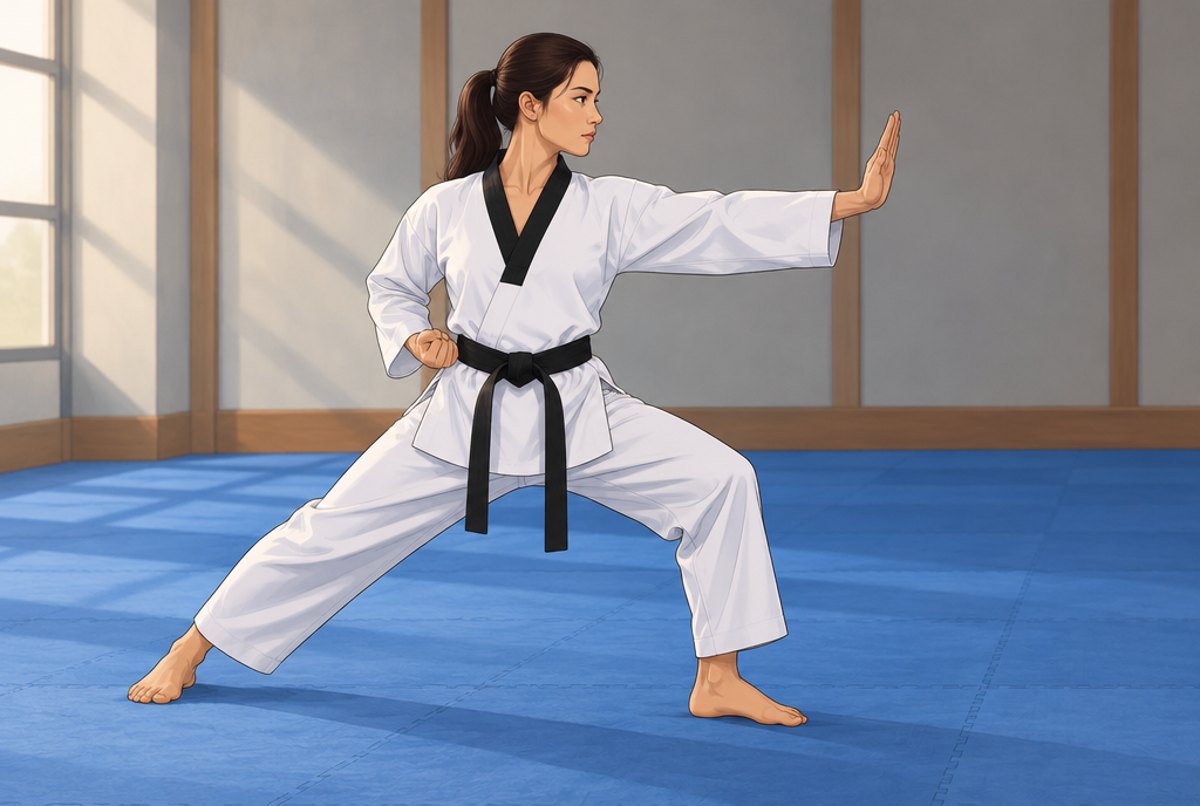
Black belts learn nine more poomsae, from Koryo to Ilyeo. 80 Keumgang means diamond, too strong to break. 54,87 And the very last one, Ilyeo, "oneness", comes from the ideas of the monk Wonhyo, the same monk whose name is on the ITF's fourth pattern! 54,87
Two families, two sets of patterns, and the same monk in both.