

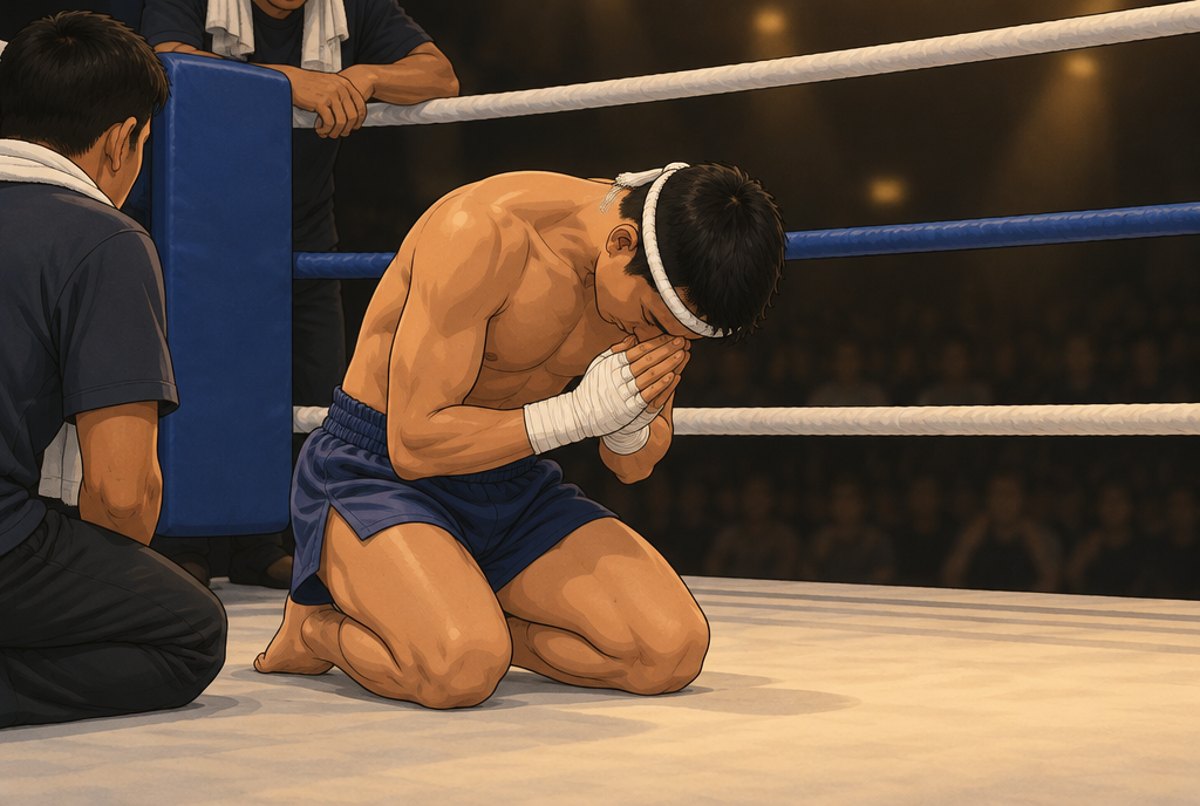
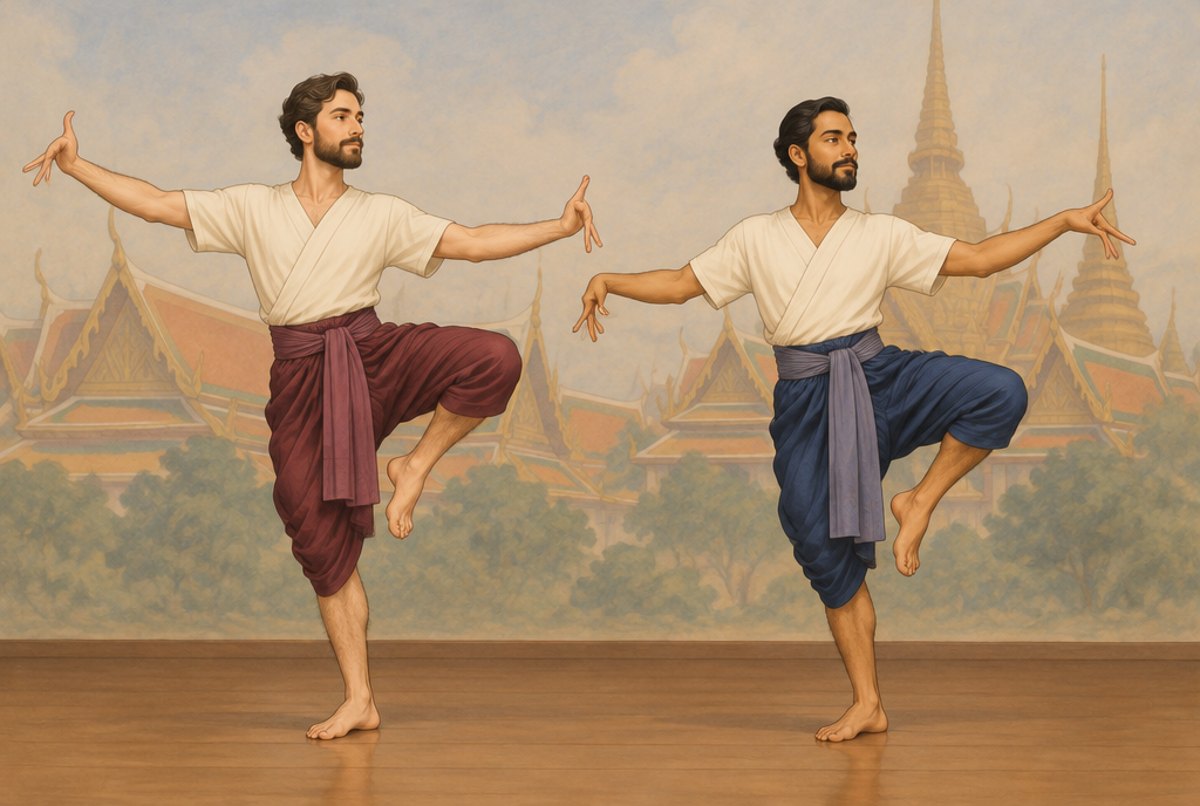
Before every bout, each fighter performs the . 3,21 In the common pattern the fighter circles the ring and bows at each corner, kneels and bows three times, then performs the , a personal dance whose moves often show who trained the fighter and where they come from. 3,29
The words
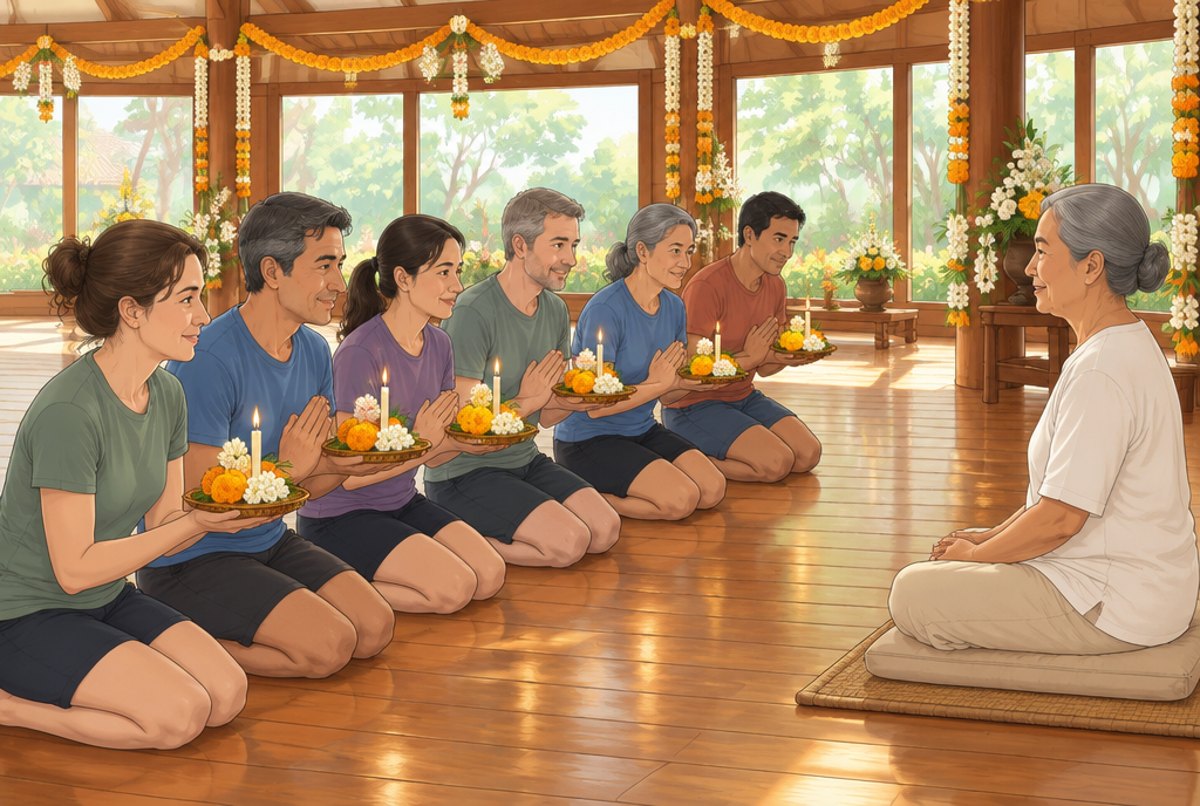
is the Thai gesture of respect, palms together. means teacher, from the Sanskrit guru. Ram is classical dance, and is boxing. 3,32 In Thai society a kru is a respected figure, and the ceremony is older and wider than boxing: wai kru ceremonies, also written wai khru, are part of Thai school life, classical music, dance and massage, and Thursday is traditionally the teachers' day. 3,29,32
What it means
All the sources agree on the heart of it. The wai kru expresses respect and gratitude to the fighter's teacher, and also to parents, ancestors and all past teachers; in the past, when fighters performed before royalty, it honoured the king too. 3,29,32
The rule in competition
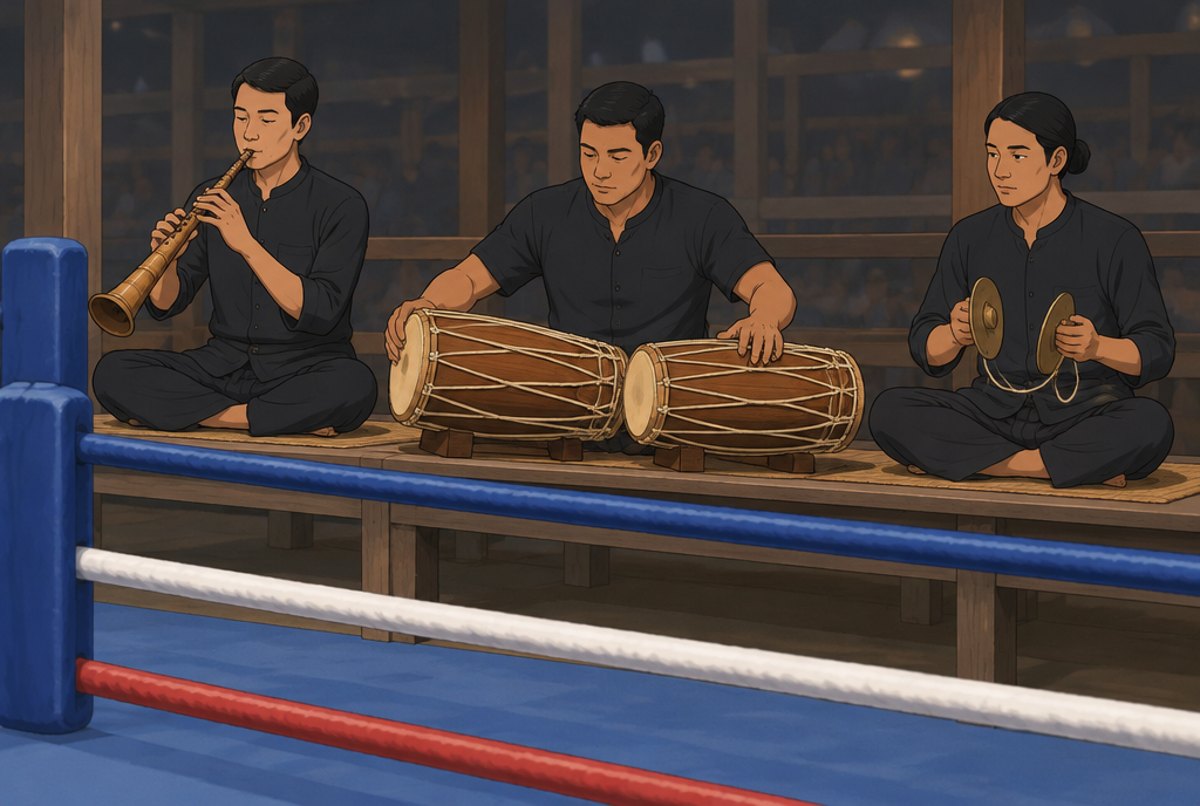
requires it. Every athlete must perform at least the opening postures and bow to the floor three times while wearing the sacred headband; a fuller wai kru of six opening postures is encouraged; in preliminary bouts it may last no more than two minutes. 21 Live music plays, led by the , an oboe, with drums and small cymbals; IFMA calls the band the , and allows recorded music in its place. 10,21,29 IFMA also scores the wai kru as a medal event of its own. 20,21
The headband and the armband
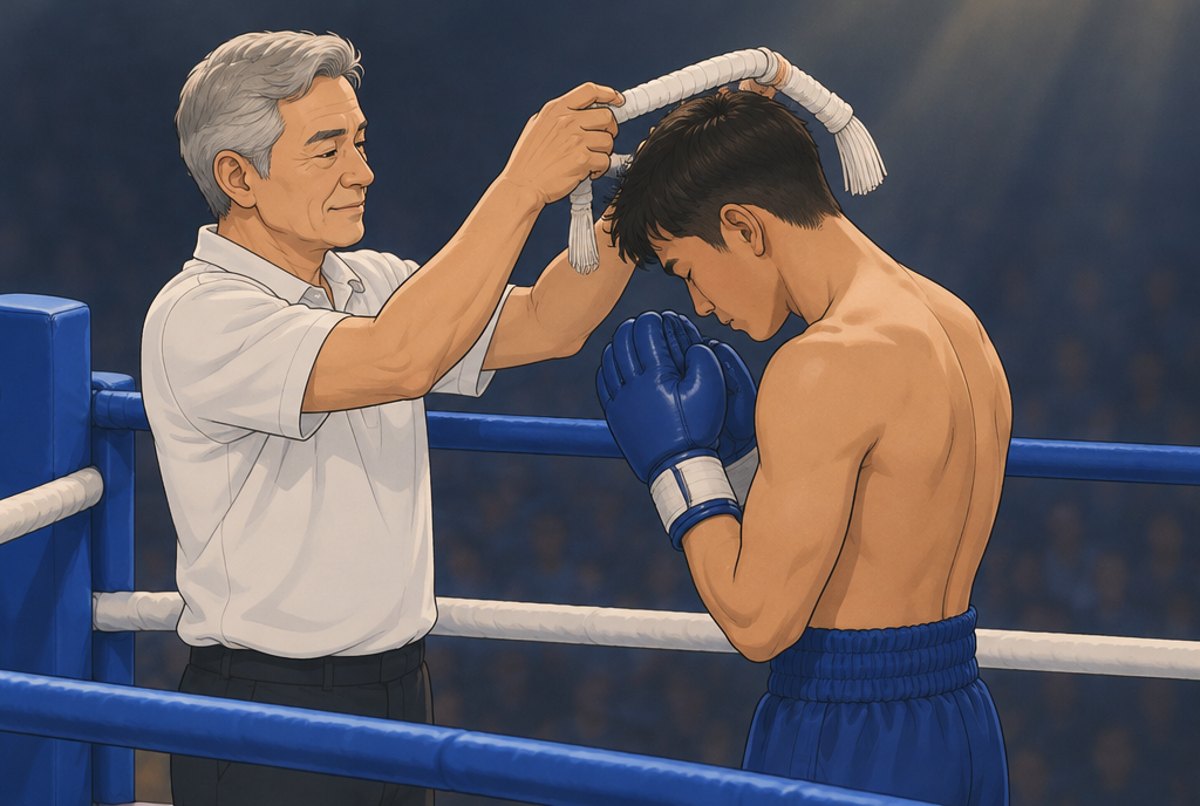
The is a sacred headband. It is traditionally presented by the trainer when a fighter is ready to represent the gym, is worn into the ring for the wai kru and is often blessed by a monk. 1 The WMC says it is unique to Thai boxing. 29 After the dance the teacher takes it off in the fighter's corner, often with a short blessing, and the bout begins. 1,40
The is an armband. Fighters may keep it on during the bout, on the upper arm or, under IFMA's rules, the waist, if it is neatly covered. 21,31

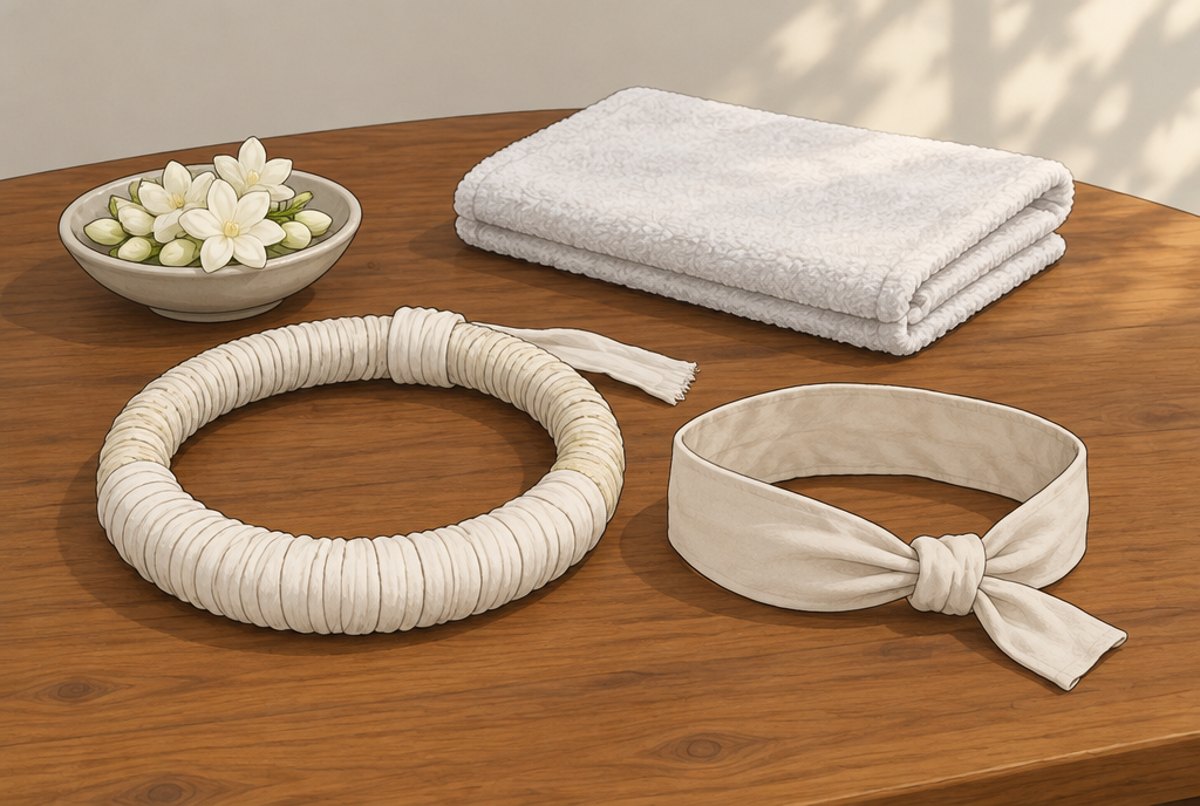
Some schools now use coloured prajied or mongkhon as grades. It is common in Brazil and used by several UK bodies, which is why the same headband can mean a blessing in one gym and a grade in another. 1,4,47
The ceremonies of a student's life
The WMC and the UK Muaythai Federation describe several ceremonies: , in which a teacher accepts a student; a yearly homage to teachers; and a ceremony on finishing training or becoming a teacher, khrob khru. 29,40
The next chapter follows the Thai teachers who brought all of this to Britain, from 1975.