

Read this first. Muay Thai has no single syllabus and no single theory test. Many gyms do not grade at all, and where they do, the scheme belongs to the body or gym that sets it: IFMA's Khan levels, the Kru Muaythai Association's, the Master Sken Association's armbands, the WTBA's, the BTBC's, or a gym's own. 27,32,33,45,46,47 The examples here are a general picture built from those bodies' published outlines. They are not any body's syllabus, and an instructor may want a different answer, spelling or rule, and is right for that grading.
What the schemes ask for beyond technique
- The wai kru. Under IFMA's earlier scheme, the first grade, Khan 1, largely focused on it; the 2025 curriculum covers self-defence, character, culture and performance theory. 27
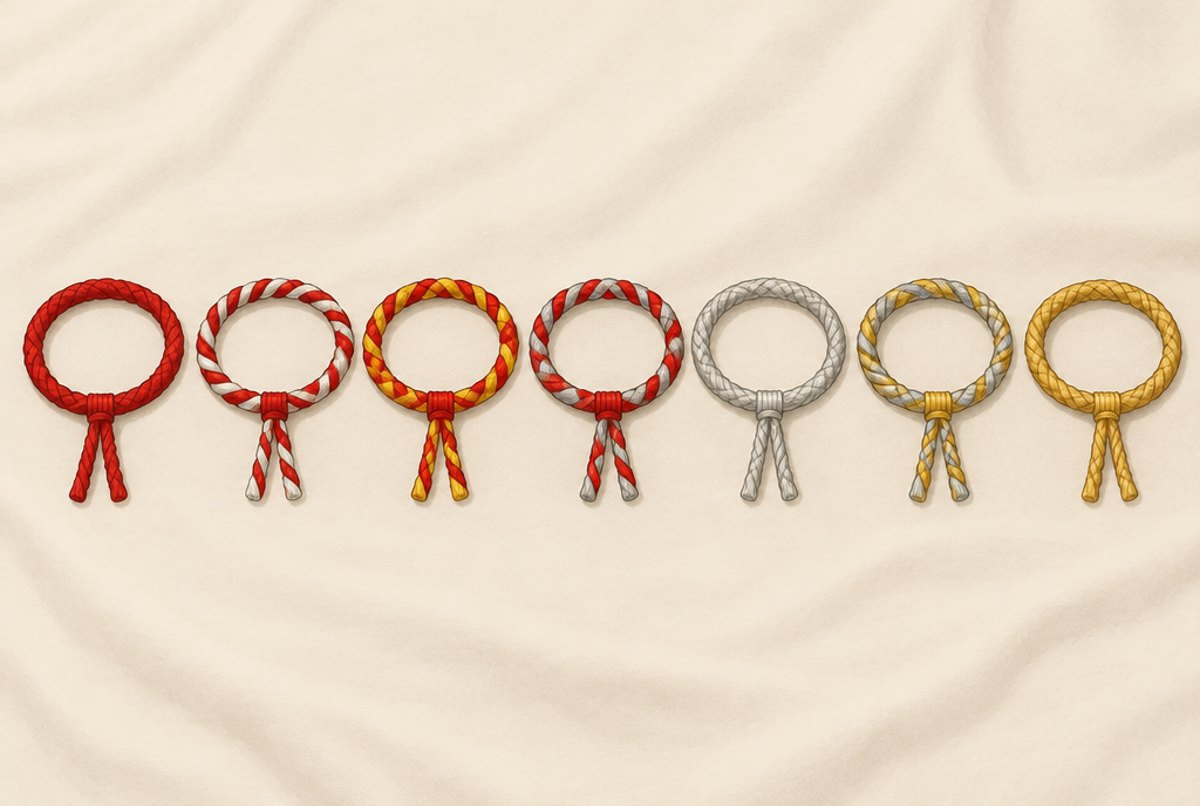
- History, rules and a pledge. Each Master Sken Association armband covers the MSA's pledge and rules, and history, beside boxing, elbow, knee and kicking techniques, self-defence and muay boran. 47
- Two families of technique. The Kru Muaythai Association expects a Khan 10 candidate to know 15 and 15 . 32
- Time. The KMA's Khan 10 needs at least 217 hours of training; the WTBA's white to black armband material spans about three years. 32,33
Several bodies, several answers, and a gym in any of them may add expectations of its own.
Practice set: 15 example questions
These are examples of the kind of question a theory section might ask. Each answer shows its source.
- Why is Muay Thai called the art of eight limbs? It strikes with two fists, two elbows, two knees and two shins. 1
- What do the words of the wai kru ram muay mean? Wai, respect; kru, teacher; ram, classical dance; muay, boxing. 3,32
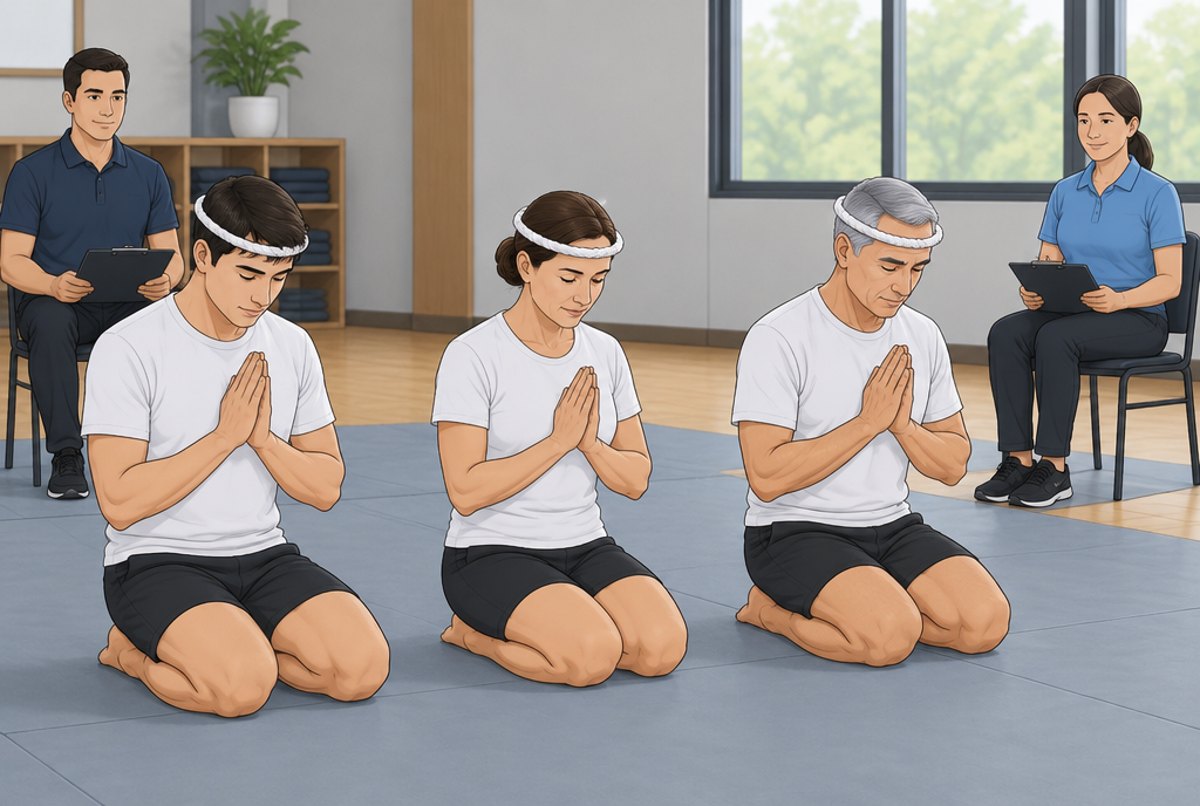
- What is a mongkhon, and who takes it off? A sacred headband worn for the wai kru; the teacher takes it off in the fighter's corner before the bout. 1,40
- What is a prajied, and what is its traditional origin? An armband; by tradition a piece of a mother's sarong tied on for luck in battle. 4
- Name the two families of Thai technique. Mae mai, major or mother techniques, and luk mai, minor or child techniques. 1,32
- What is a teep? The push kick, a straight thrust with the sole of the foot, sometimes called the foot jab. 1
- Why do Thai boxers kick with the shin rather than the foot? The foot has many small bones; the shin is conditioned on pads and bags. 1
- What does the referee mean by chok, yoot and yaek? Box, stop, and break from the clinch. 21
- Count to five in Thai, as IFMA's referees do. Nueng, song, saam, sii, hah. 21
- What is the clinch called in Thai? Chap kho. 1
- What is a check? Blocking a kick with the raised shin. 1
- Under IFMA's rules, from which year may a child be struck on the head, and from which year with elbows and knees? From the year they turn 12; elbows and knees to the head from the year they turn 14. 21
- Who was Nai Khanom Tom, and is his story history? In the popular story, a prisoner of war who beat 10 Burmese champions before the king of Burma, in 1774 by the Thai telling; scholars treat it as a cultural symbol rather than verifiable history. 1,101
- When is Muay Thai Day? Officially 6 February, set by Thailand's government in 2016; many people also call 17 March, Nai Khanom Tom's day, Muay Thai Day. 1,104
- When did the IOC fully recognise IFMA, and is Muay Thai an Olympic sport? July 2021; no, it is not on the Olympic programme. 20,30
Questions only your coach can answer
Your own gym's syllabus, the colours and content of each IFMA Khan level, which are not published, how many months your coach expects at each grade, your body's own history questions, and anything about fees or dates. Those come from your coach. 27,32,47