

The one thing every family should know: Muay Thai has no belts and no single grading system. Traditional Thai camps had only teachers and pupils, and many UK gyms still do not grade at all; Muaythai GB says that "grading systems are not common practice in Muaythai". Where grades exist they are usually coloured armbands, the , or coloured headbands, the , often under a numbered system, and every body sets its own: IFMA has 15 Khan levels, the Kru Muaythai Association in Thailand 19, the Master Sken Association and the WTBA use armbands, and the BTBC has its own structure. So ask a gym: do you grade, whose scheme is it, and is a grade recognised outside this gym? 21,27,32,33,45,46,47
Gyms with no grades
- Thai tradition. The Kru Muaythai Association says that before modern times there was no uniform ranking, only the titles , teacher, and , pupil, with age and skill deciding seniority among teachers. 32
- UK competition is organised by age, weight and experience, not by grade. Muaythai GB's British Championships have a category, for fighters with no more than five previous bouts, and a British category with no limit. Its professional rules use classes N, C, B and A, with minimum ages of 16, 16, 17 and 18. 41,44
- Muaythai GB on grading. Its club approval page says grading systems are not common practice, so it does not ask coaches for grade evidence; its join page lists "Access to the MTGB Grading syllabus" as a gym benefit. The syllabus itself is not published. 41,45
- The UK Muaythai Federation publishes no grading scheme; how its gyms grade is not confirmed. 40
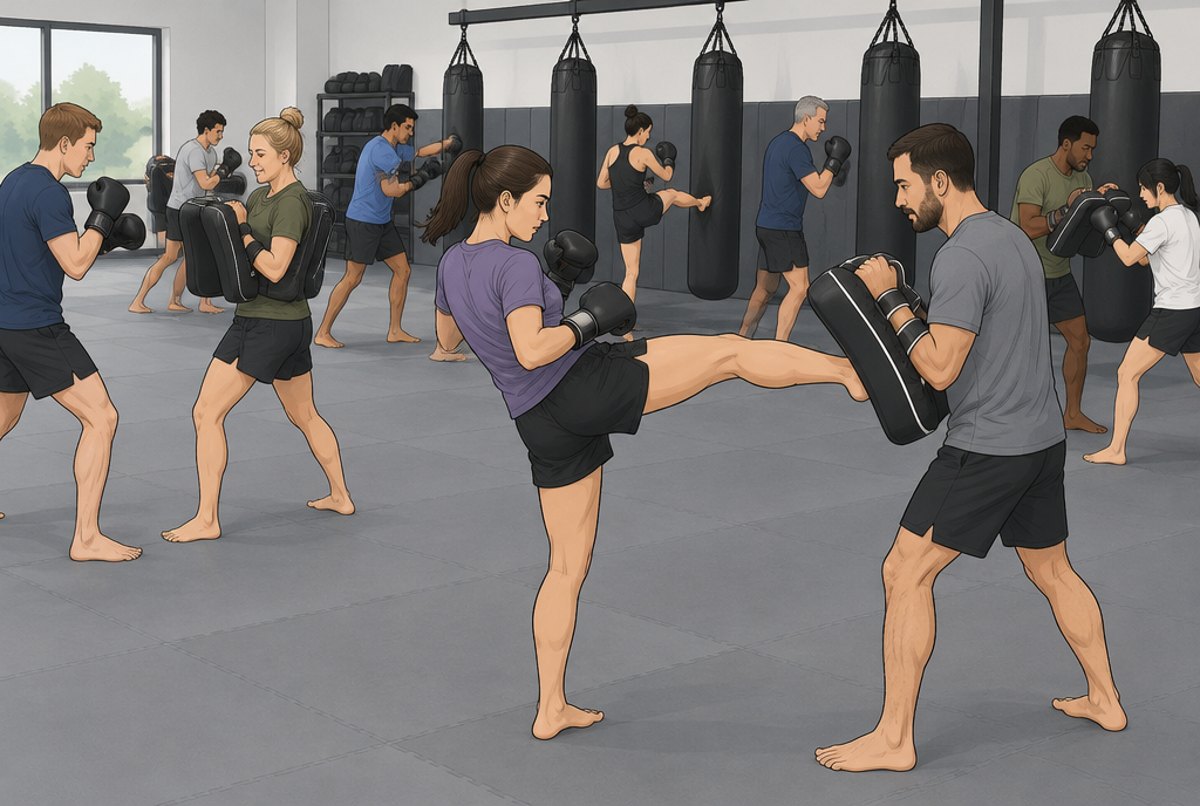
IFMA's Khan system
The world body, , launched 15 Khan levels under what it calls an "International One Standard Muaythai" framework, rolled out from May 2025 through its national federations. 27
| Feature | IFMA's version |
|---|---|
| Levels | 15 Khan levels, "from grassroots to Grandmaster", ending in the titles Khru (teacher) and Grandmaster 27 |
| Instructors | Khan 9 to 15 carry IFMA certification it calls recognised worldwide; instructor, coach and master levels also need contribution credit points 27 |
| Minimum Khan to compete | Khan 1 for U8 and U10; Khan 2 for U12; Khan 3 for U14; Khan 4 for U16; Khan 5 for U18; Khan 6 for U24, Elite and Masters 21 |
| Minimum Khan for officials | Khan 7 for coaches, seconds and technical officials; Khan 10 for managers and senior coaches 21 |
| Colours | Worn on the mongkhon and prajied in cultural events; silver, silver and gold, and gold are kept for technical officials unless the athlete holds those levels. At one 2019 seminar Khan 1 and 2 students received white mongkhons 21,27 |
| Content | Under IFMA's earlier scheme, Khan 1 largely focused on the ; the 2025 curriculum covers self-defence, character, culture and performance theory 20,27 |
Not published: the colour of each IFMA Khan level, the content of each level, and UK grading fees. 27
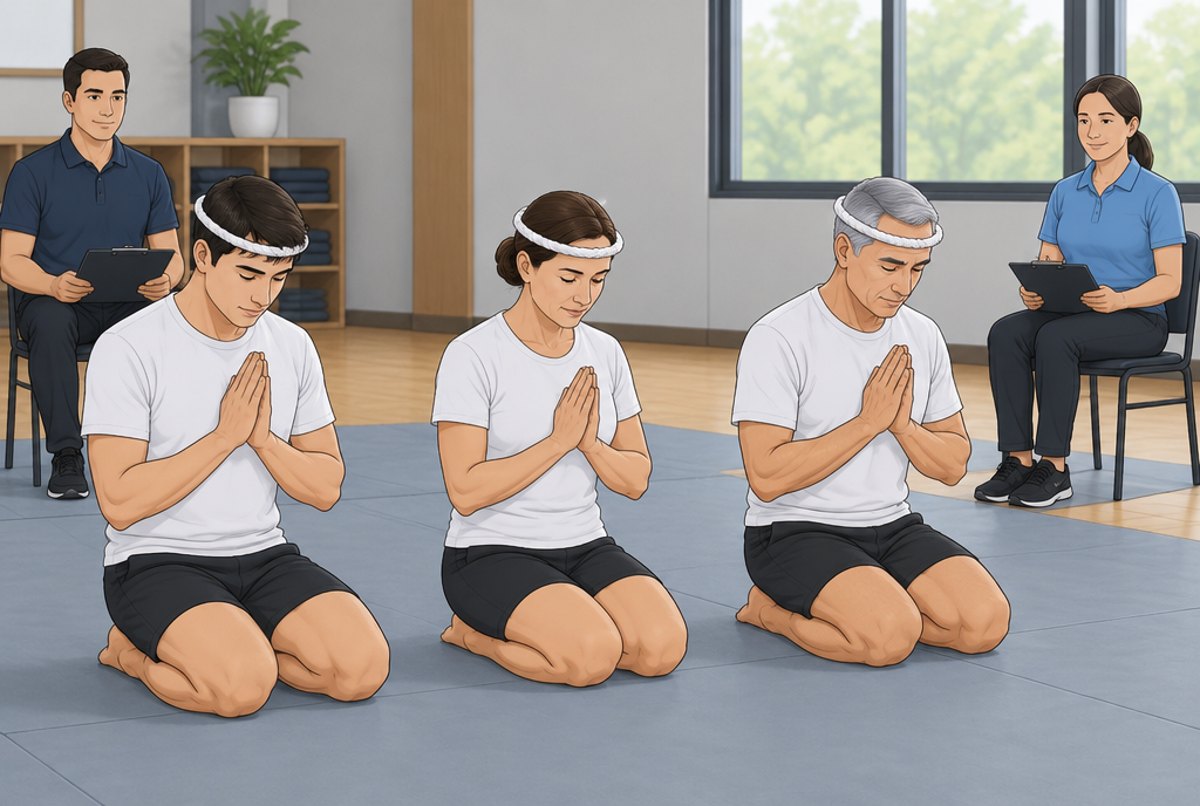
The Kru Muaythai Association's Khan system
The , registered with Thailand's National Culture Commission on 9 May 2003, says its Khan system was developed by Grandmaster Woody, Chinawut Sirisompan, combining colour coded grading with Thai amulets and ceremonies. It lists 31 UK members on its register. 32
| Khan | Stage or title | Mongkhon colour |
|---|---|---|
| 1 to 4 | Beginner | Not published |
| 5 to 7 | Intermediate | Not published |
| 8 to 10 | Advanced; Khan 10 "considered equivalent to a Black Belt" | Khan 10 red |
| 11 | Assistant teacher, | Red and white |
| 12 | Kru, teacher | Red and yellow |
| 13 | , senior teacher | Red and silver |
| 14 | , master | Silver |
| 15 | Assistant grandmaster | Gold and silver |
| 16 | Grand master, minimum age 55 | Gold |
| 17 to 19 | Senior grandmaster ranks | Gold with ruby, emerald or diamond |
All rows from the KMA's own pages. 32
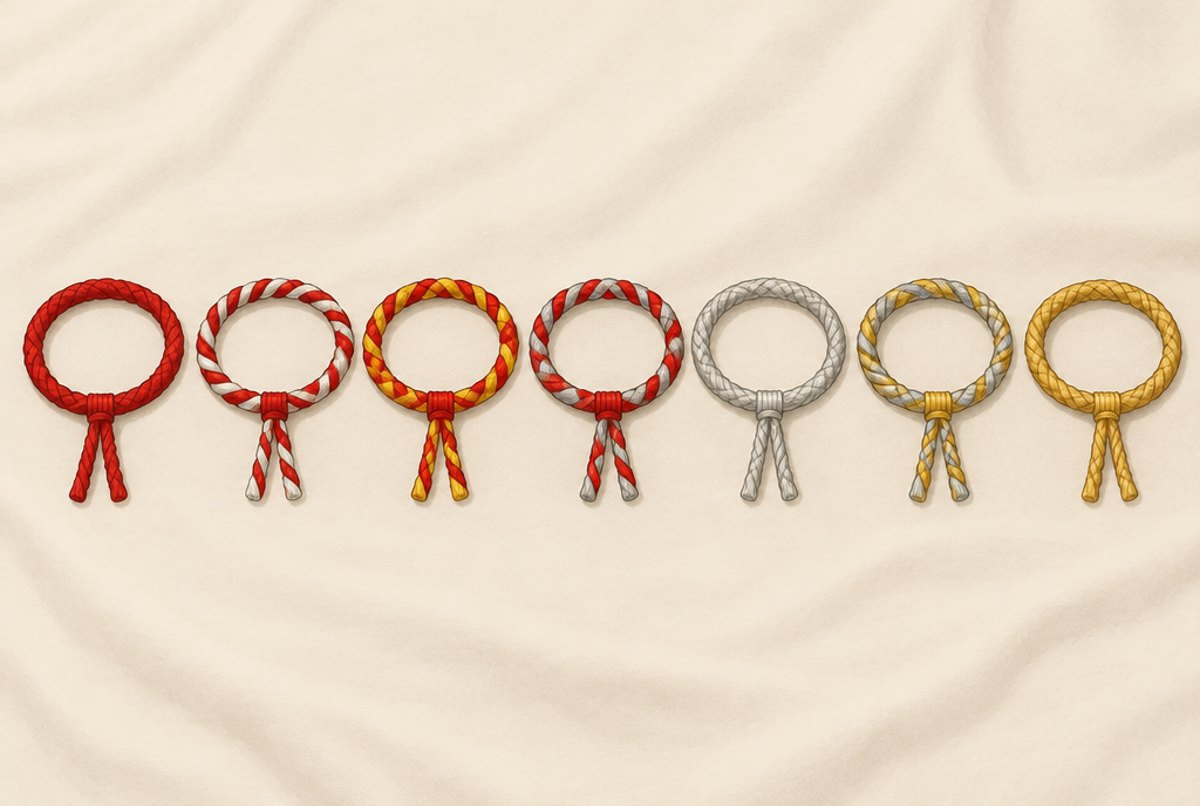
Teachers may grade students up to set levels, for example a Khan 11 teacher up to Khan 8; student levels follow a separate curriculum, the World Muay Boran Federation's, for Khan 1 to 10. 32
UK bodies' schemes
| Body | What it publishes |
|---|---|
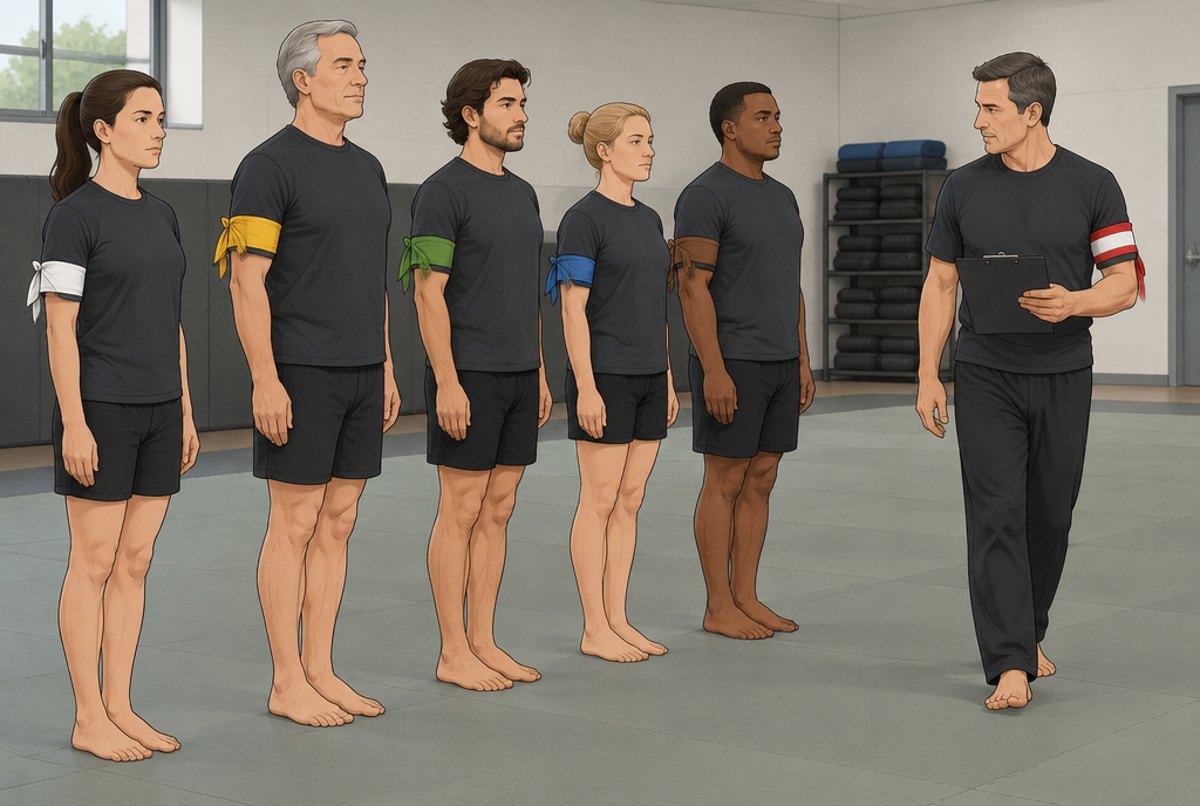
| Master Sken Association (MSA) | Armbands: white, then yellow, green, blue (intermediate) and brown (advanced), with children able to go on to red. Each grade covers boxing, elbow, knee and kicking techniques, self-defence and muay boran, the MSA's pledge and rules, and history. Instructors, qualified through its MTQ courses, wear the Kruang Rang in red and white, red and yellow and red and silver, silver for masters and gold for the senior grandmaster. Online grading videos are sold; the full syllabus is for members 47 |
| British Thai Boxing Council (BTBC) | A grading structure from complete beginner to a "Gold standard" senior instructor, across Muay Thai, Muay Boran and krabi krabong. Colours and content not published 46 |
| World Thai Boxing Association (WTBA) | Coloured armbands from white to black, in four phases of about three years of material; affiliate schools may promote students up to black armband. Colour order not published 33 |
| Muaythai GB | A grading syllabus is mentioned for members, though it says grading systems are not common practice in Muaythai 41,45 |
| UK Muaythai Federation | None published 40 |
Children
- IFMA has no separate children's scheme, but sets a minimum Khan for every youth age group, from Khan 1 for the under 8s. 21
- The MSA runs children's classes for ages 6 to 13 with armbands from white, yellow and green upward, and a separate kids' grading. 47
- Grades are separate from competition. In IFMA and Muaythai GB events, children are matched by age, weight and experience, not by armband colour. 21,41
Questions families ask
- Will a grade carry over to another gym? Only within the same scheme, if at all. IFMA presents its Khan system as one international standard run through national federations; other bodies' grades are their own. How each body treats grades from another scheme is not confirmed. 27
- How long does it take? The KMA's Khan 10 needs at least 217 hours of training, and each teaching rank needs years at the level below, for example one year from Khan 10 to 11. The WTBA's material from white to black armband spans about three years. Real times vary. 32,33
- What does it cost? The MSA charged a club £50 a year and a UK student licence of £14 in 2026. IFMA gradings are arranged through national federations; KMA membership and gradings are paid. Other fees vary, so ask. 27,32,47
- Is a mongkhon the same as a belt? In tradition it is a sacred headband given by the teacher when a fighter is ready to represent the gym, not a grade. Some schemes now use its colour as a grade. Ask which meaning a gym uses. 1,21,32,47